ACL and soft tissue knee injuries
Injuries to the anterior cruciate ligament (ACL) and other soft tissues of the knee can cause pain, instability and difficulty returning to sport or normal activity. They commonly occur during twisting, pivoting, sudden changes of direction or direct trauma to the knee.
Understanding ACL and knee ligament injuries
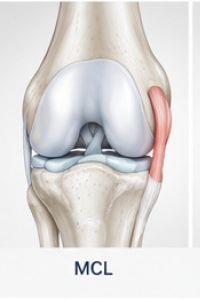
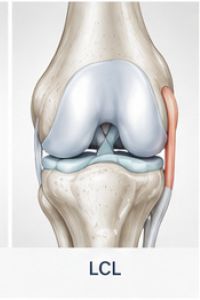
The knee relies on four main ligaments for stability: the anterior cruciate ligament (ACL), posterior cruciate ligament (PCL), medial collateral ligament (MCL) and lateral collateral ligament (LCL).
The ACL is particularly important for controlling rotational stability of the knee and is commonly injured during sports involving pivoting, sudden changes of direction, jumping or deceleration. An ACL injury may cause a popping sensation, swelling, pain and a feeling that the knee is unstable or gives way.
Injuries to the PCL, MCL and LCL can occur independently or alongside an ACL injury. Assessment is important because treatment depends on which structures are injured, the severity of the injury, knee stability and the individual’s activity and sporting goals.
Mr Navjot Bhangoo is a Consultant Orthopaedic Knee Surgeon specialising in sports knee injuries, including ACL injuries and other ligament and soft tissue problems. He provides assessment and treatment for patients in Nottingham and Derby, with treatment tailored to the injury, the individual and their goals.

What are the symptoms of an ACL injury?
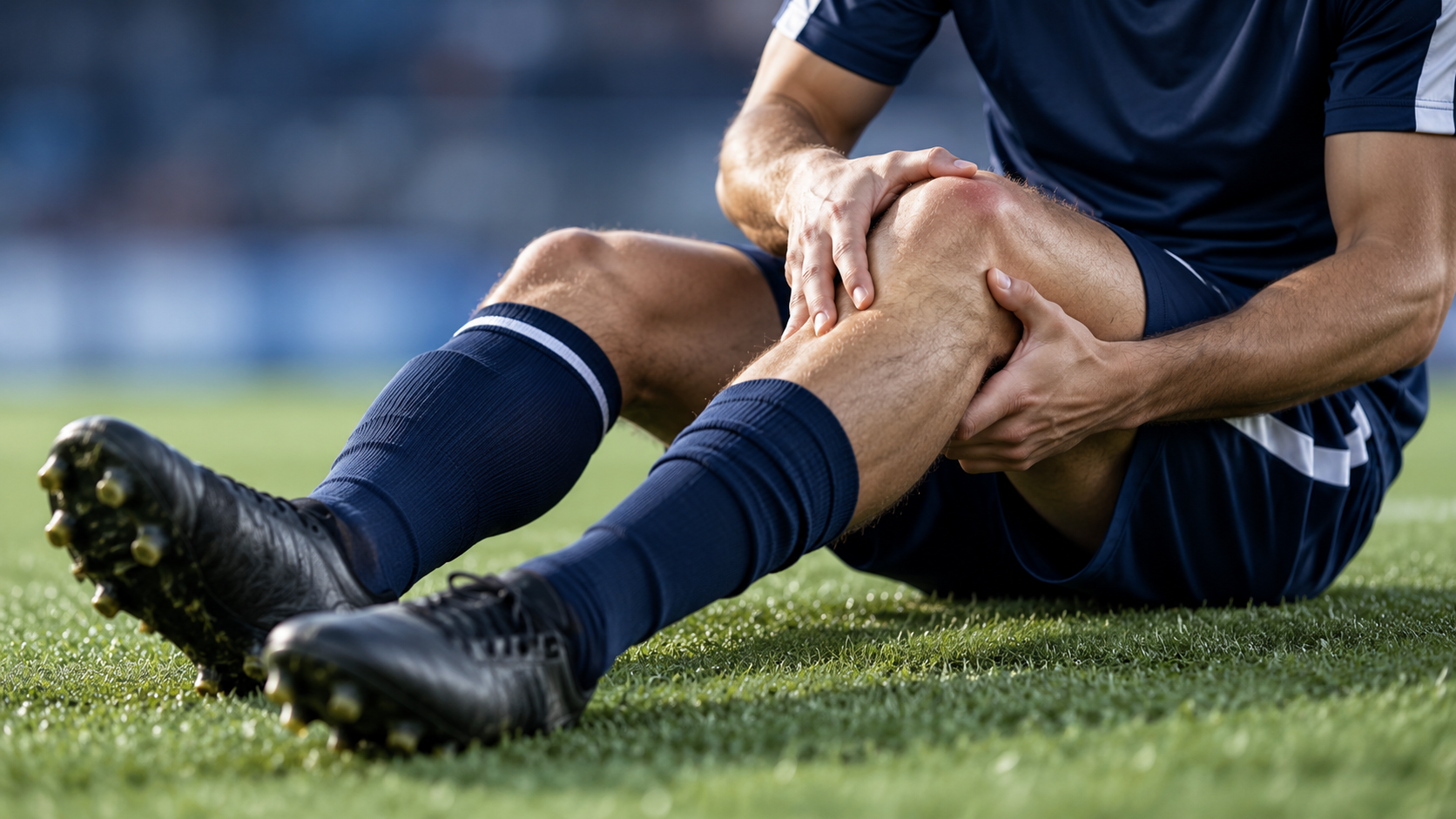
An ACL injury often occurs during a sudden twist, pivot, awkward landing or change of direction. Some people describe hearing or feeling a pop at the time of injury, followed by pain and swelling.
Common symptoms can include knee swelling, reduced movement and a feeling of instability or giving way, particularly during twisting or changing direction. ACL injuries can also occur alongside damage to the meniscus, cartilage or other knee ligaments.
How is an ACL injury diagnosed?
Diagnosis begins with a detailed assessment of how the injury occurred, the symptoms and the stability of the knee. Clinical examination can identify signs of ACL injury and assess other structures within the knee.
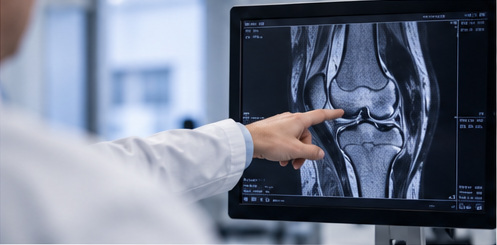
An MRI scan may be used to confirm the ACL injury and identify associated damage such as a meniscus tear, cartilage injury or injury to another ligament. The findings can then be considered alongside the patient’s symptoms, activity level and goals when deciding on treatment.
How are ACL injuries treated?
Not every ACL injury requires surgery. Treatment depends on factors including knee stability, associated injuries, activity level, sporting demands and the individual patient’s goals.
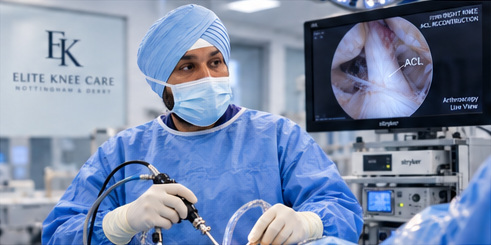
Non-operative treatment may include physiotherapy and rehabilitation to restore movement, strength and control. For patients with ongoing instability or those wishing to return to pivoting or high-demand sports, ACL surgery may be considered.
Mr Bhangoo will assess the injury and discuss the appropriate treatment options with you.
ACL rehabilitation and return to sport
Rehabilitation is a vital part of recovery following ACL surgery. Physiotherapy progresses through stages designed to restore knee movement, strength, balance and control before gradually introducing running, jumping, change-of-direction work and sport-specific activity.
Mr Bhangoo works closely with specialist physiotherapists, including the team at Balance Health Nottingham, to support patients through rehabilitation and their return to activity.
Return to sport should be based on individual recovery and objective assessment rather than time alone. The aim is to ensure the knee has recovered sufficiently for the demands of the patient’s chosen activity or sport.