MENISCUS TEAR SPECIALIST

Meniscus Tear Treatment in Nottingham & Derby

Expert assessment and personalised treatment for meniscus tears, helping you get back to the activities you enjoy.

MENISCUS TEAR SPECIALIST
Meniscus Tear Treatment in Nottingham & Derby

Expert assessment and personalised treatment for meniscus tears, helping you get back to the activities you enjoy.

Understanding Meniscus Tears

The menisci are two crescent-shaped structures made of fibrocartilage within the knee. 

Each knee contains two menisci positioned between the femur (thigh bone) and tibia (shin bone):

  • Medial meniscus: Located on the inner side of the knee.
  • Lateral meniscus: Located on the outer side of the knee.

They help absorb shock, distribute load and support stability during everyday movement and sport. Meniscal damage may result from an injury or develop gradually through wear and degeneration.

If you have injured your knee or are experiencing persistent pain, swelling, stiffness, catching or locking, you can arrange an assessment with Mr Bhangoo.
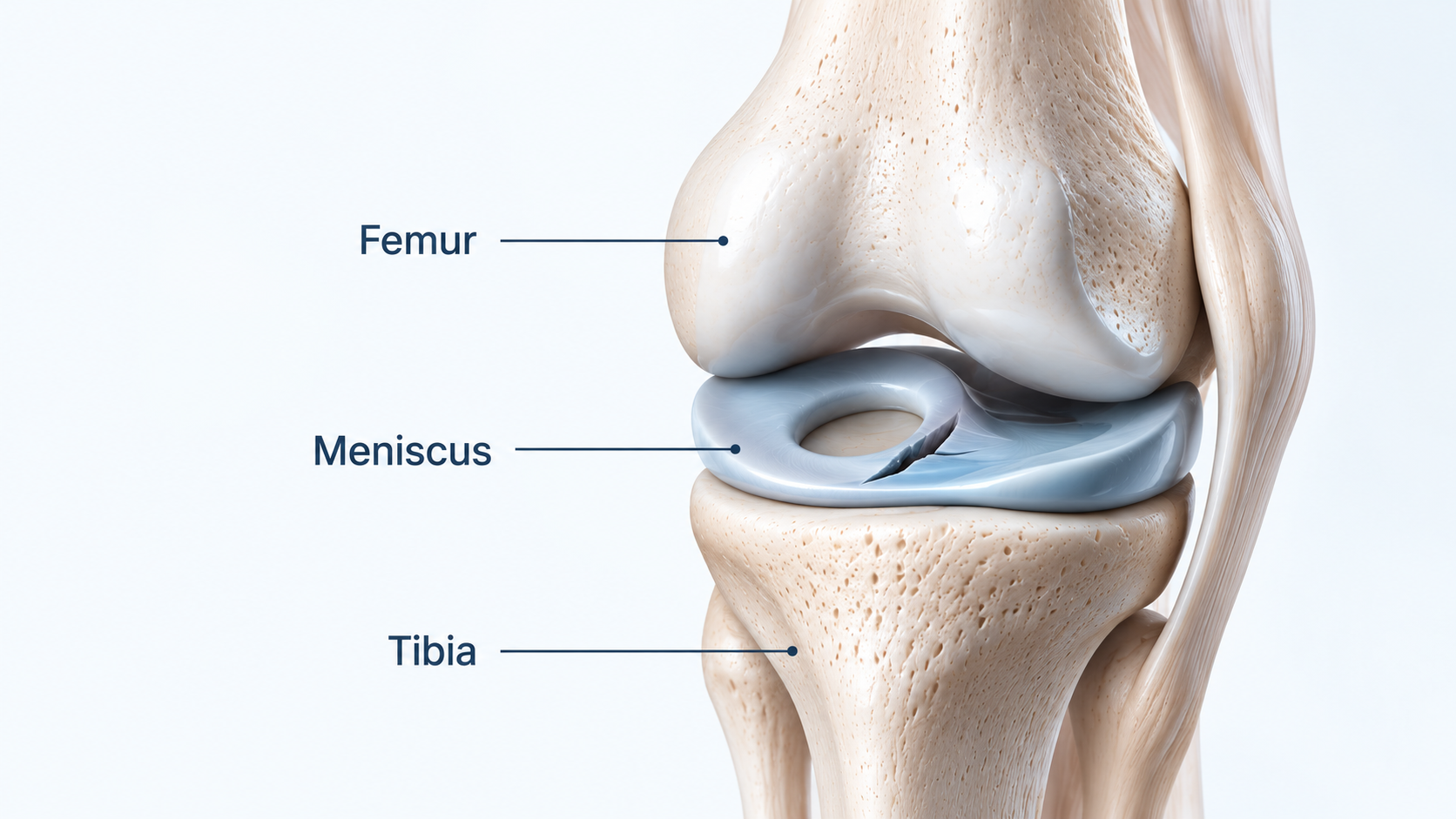
Knee anatomy showing the femur, meniscus and tibia

Symptoms of a meniscus tear

Symptoms can include:

  • Pain along the inner or outer joint line
  • Swelling or stiffness
  • Pain when twisting, squatting or changing direction
  • Catching, clicking or a feeling that the knee may give way
  • Difficulty fully bending or straightening the knee
  • Locking of the knee

A knee that is genuinely locked and cannot be fully straightened may require prompt specialist assessment.

How is a meniscus tear diagnosed?

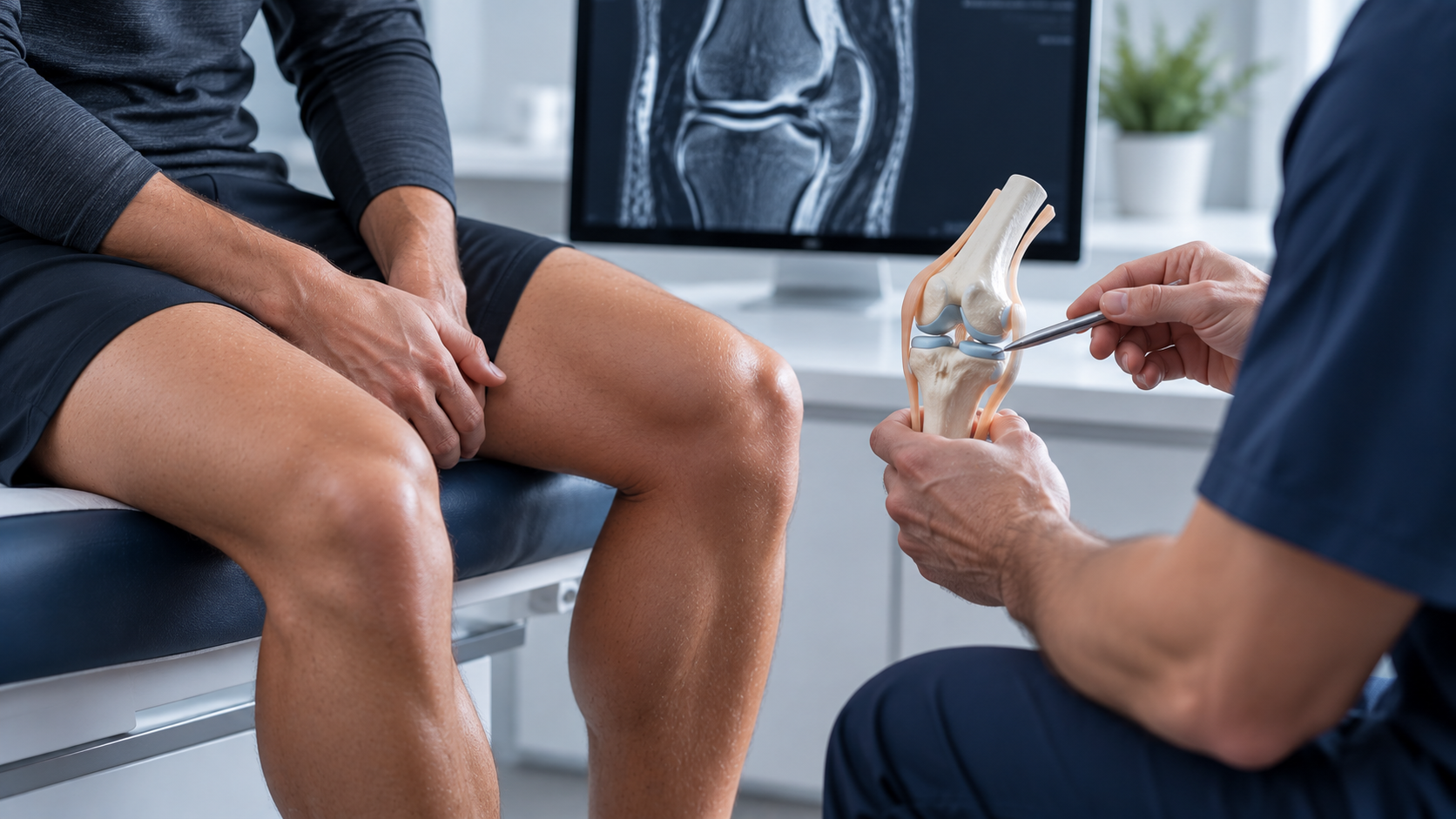
Diagnosis begins with a discussion of your symptoms and a clinical examination of the knee. X-rays may be used to assess the wider condition of the joint, while an MRI scan can provide more detail about the meniscus and other soft tissues. MRI findings should always be considered alongside the patient’s symptoms and examination because not every tear visible on a scan requires treatment.

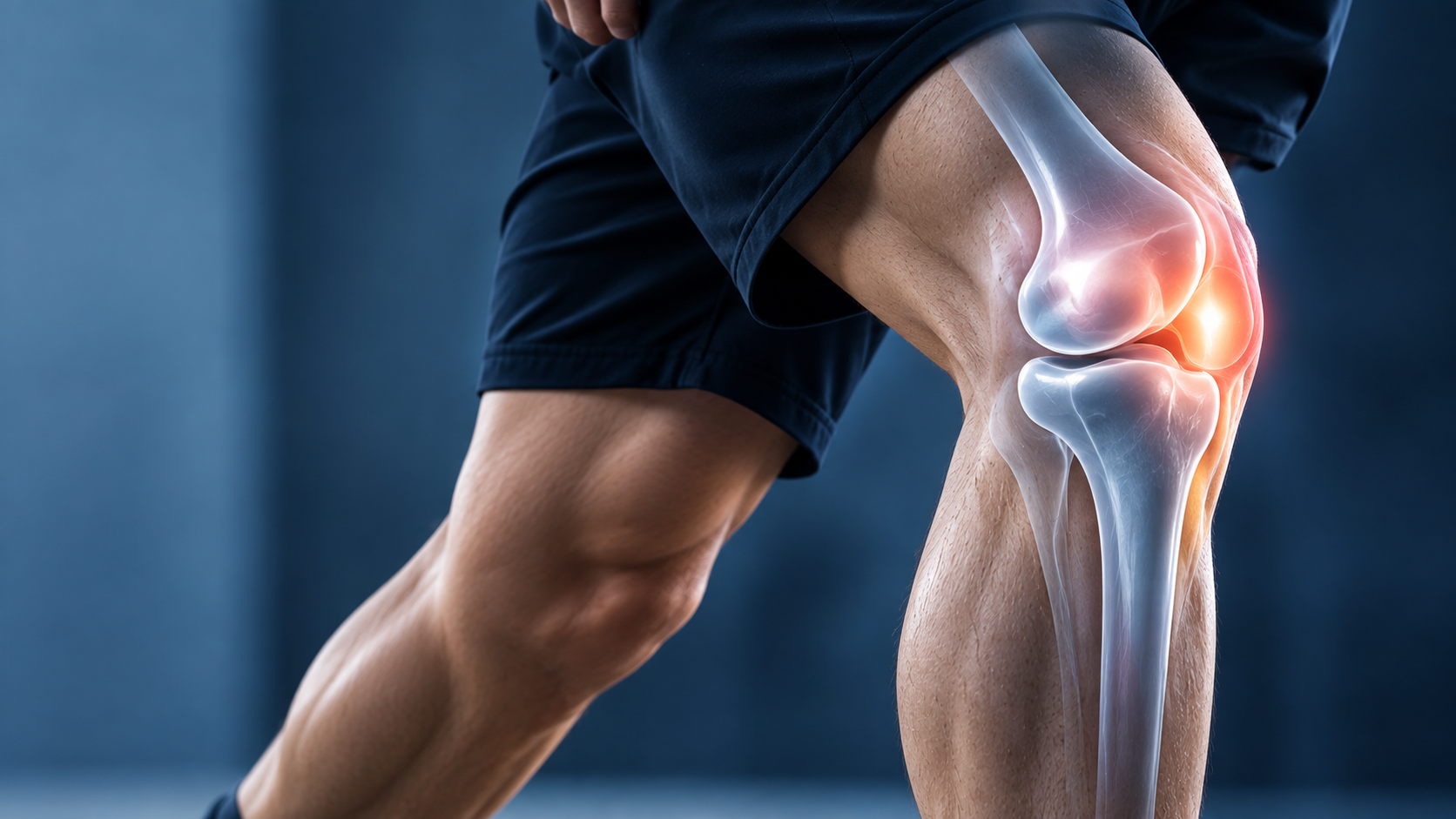
Meniscus injury causing knee pain during physical activity

How do meniscus tears happen?

Meniscus tears can occur suddenly during twisting, pivoting or other sporting movements. They may also develop gradually as the meniscal tissue becomes less resilient with age. The symptoms and appropriate treatment can differ between traumatic and degenerative tears.

  • Traumatic tears: These commonly follow a twisting or pivoting injury and may occur alongside ligament damage.
  • Degenerative tears: These develop gradually as the meniscal tissue weakens and may be associated with osteoarthritis.

Treatment for a meniscus tear

Treatment depends on the type and location of the tear, the quality of the meniscal tissue, the patient’s symptoms and the overall condition of the knee. Many meniscal tears can initially be managed without surgery through activity modification, appropriate pain relief and physiotherapy. Surgery may be considered when symptoms persist, the knee repeatedly catches or locks, or the tear is suitable for repair.

  • Partial meniscectomy: The unstable or irreparable portion of the meniscus is carefully removed while preserving as much healthy tissue as possible. This may be considered when a symptomatic tear cannot be repaired.
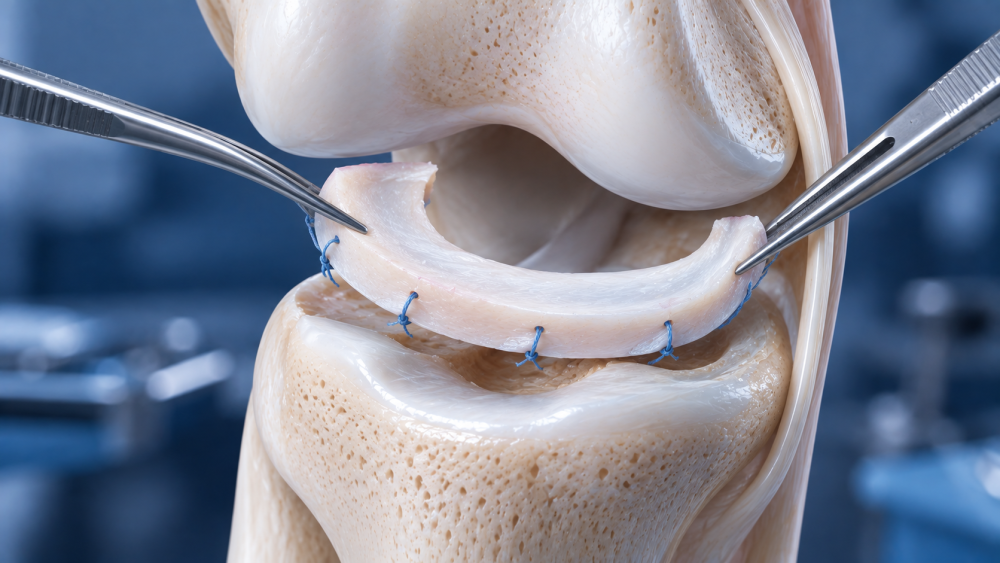
  • Meniscus repair: The torn meniscus is secured using sutures or specialist repair devices. Whether a tear can be repaired depends on its pattern, location, blood supply, tissue quality and the patient’s individual circumstances—not simply its size.
  • Meniscal allograft transplantation: A specialist procedure in which donor meniscal tissue is used to replace a meniscus that has previously been substantially removed. It is suitable only for carefully selected patients with ongoing compartmental pain and without advanced arthritis.

Potential benefits and considerations

When surgery is appropriate, it may reduce symptoms and improve knee function. Preserving healthy meniscal tissue wherever possible may also help protect the joint. However, results vary according to the type of tear, the condition of the knee and individual patient factors. Mr Bhangoo will discuss the likely benefits, possible risks and expected rehabilitation before treatment is agreed.

Not every meniscus tear requires surgery. Mr Bhangoo provides an individual assessment and will explain whether physiotherapy, monitoring or an operation is the most appropriate option for your knee.

Meniscus treatment with Mr Bhangoo

Treatment recommendations will be based on your symptoms, the tear pattern and location, tissue quality, activity level and the overall condition of your knee.
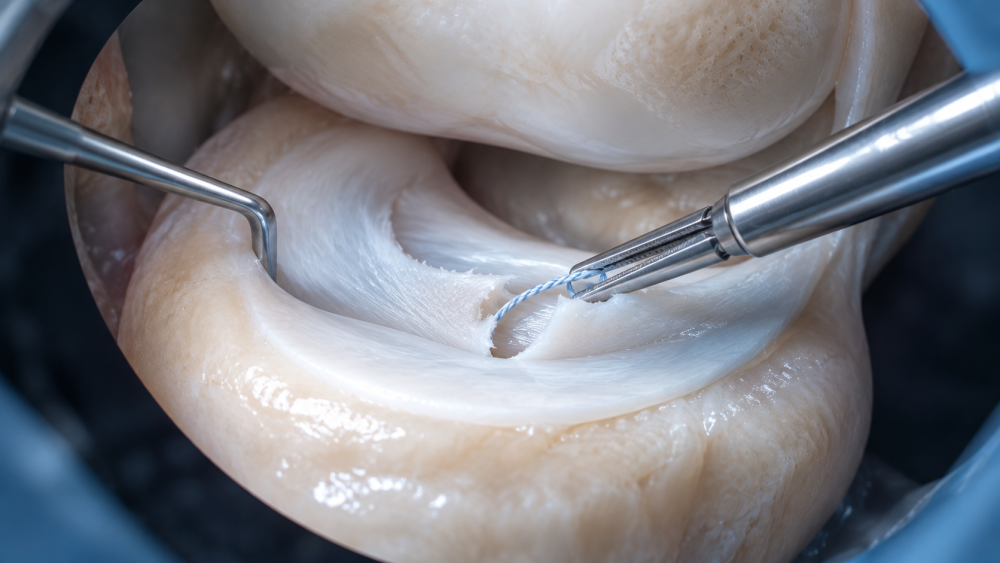
Arthroscopic partial meniscectomy for a torn knee meniscus

Partial Meniscectomy

Arthroscopic meniscus repair using sutures

Meniscus Repair

Meniscal allograft transplantation in the knee

Meniscus Allograft Transplant

Knee rehabilitation and physiotherapy following meniscus treatment

Recovery and rehabilitation

Rehabilitation plays an important role in your recovery, whether you have had a meniscectomy or a meniscus repair. A tailored physiotherapy programme can help restore movement, strength and confidence, and support your return to work, sport and daily activities.

Knee specialist discussing a meniscus injury with a patient
EXPERT CARE. A MORE ACTIVE YOU.

Let’s get you moving again

Arrange a consultation with Mr Navjot Bhangoo to discuss your meniscus tear and the most suitable treatment options.

Frequently Asked Questions about Meniscus Tears

Can a meniscus tear heal without surgery?

Some meniscal tears can settle with time, activity modification and physiotherapy. Healing potential depends partly on the tear’s location, pattern and blood supply. Not every tear seen on MRI needs an operation.

When might meniscus surgery be considered?

Surgery may be considered when symptoms continue despite appropriate non-surgical treatment, when the knee repeatedly catches or locks, or when an acute tear is suitable for repair.

Is meniscus repair better than meniscectomy?

When a tear is repairable, preserving the meniscus is generally preferred. However, some tears have poor tissue quality or a pattern that cannot be repaired safely.

How long does recovery take?

Recovery varies considerably. Rehabilitation following a meniscus repair is normally longer and more protected than recovery following a partial meniscectomy. Your individual plan will depend on the procedure and your progress.

FAQs