
Total knee replacement
A total knee replacement replaces the damaged joint surfaces across the knee and may be appropriate when arthritis affects more than one part of the joint.
Learn more about total knee replacement →Knee replacement surgery can be an effective treatment for advanced knee arthritis when pain, stiffness and reduced mobility are having a significant impact on everyday life.
During knee replacement surgery, damaged joint surfaces are replaced with carefully positioned artificial components designed to restore movement and reduce pain.
Depending on where the arthritis is located, Mr Bhangoo may recommend either a total knee replacement or, where the arthritis is confined to one part of the joint, a partial knee replacement. The most appropriate option depends on your symptoms, examination findings, imaging and activity goals.

Knee replacement may be considered when arthritis is causing persistent pain, stiffness or loss of function and appropriate non-operative treatments are no longer providing sufficient relief.
The decision to proceed with surgery is individual. Mr Bhangoo will consider your symptoms, examination findings, imaging, general health and personal goals when discussing whether knee replacement is appropriate for you.
The type of knee replacement recommended depends on the pattern and extent of arthritis within the knee.
A total knee replacement replaces the damaged joint surfaces across the knee and may be appropriate when arthritis affects more than one part of the joint.
Learn more about total knee replacement →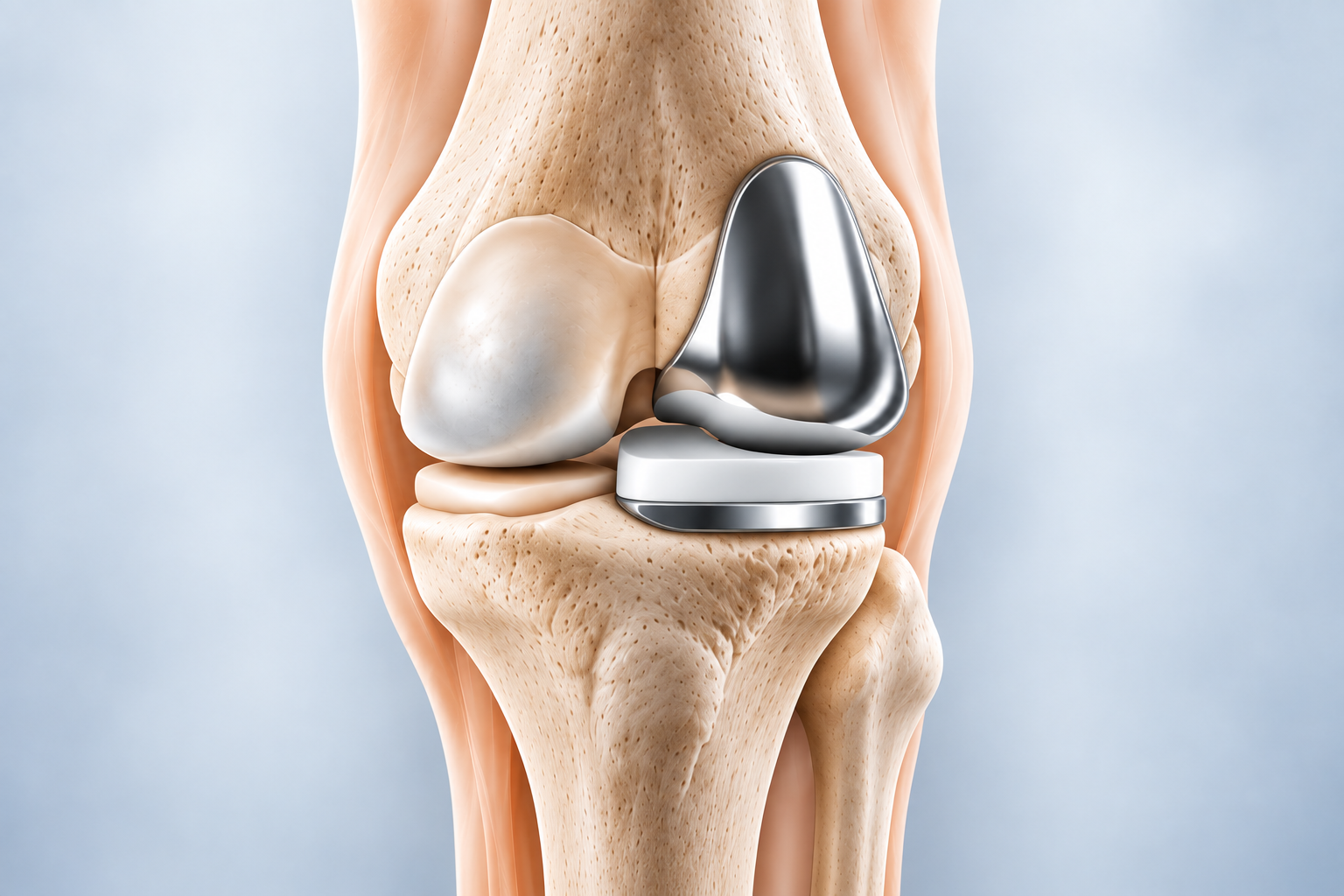
A partial knee replacement replaces only the affected part of the knee and may be an option when arthritis is confined to one compartment and the remaining parts of the joint are suitable.
Learn more about partial knee replacement →Before surgery, you will have a clinical assessment and appropriate investigations and health checks. Your surgical team will discuss anaesthesia, medicines and practical preparation with you.
During surgery, the damaged joint surfaces are removed and replaced with appropriately positioned artificial components.
Mobilisation and rehabilitation begin after surgery. Recovery then progresses over time according to your individual needs and progress.
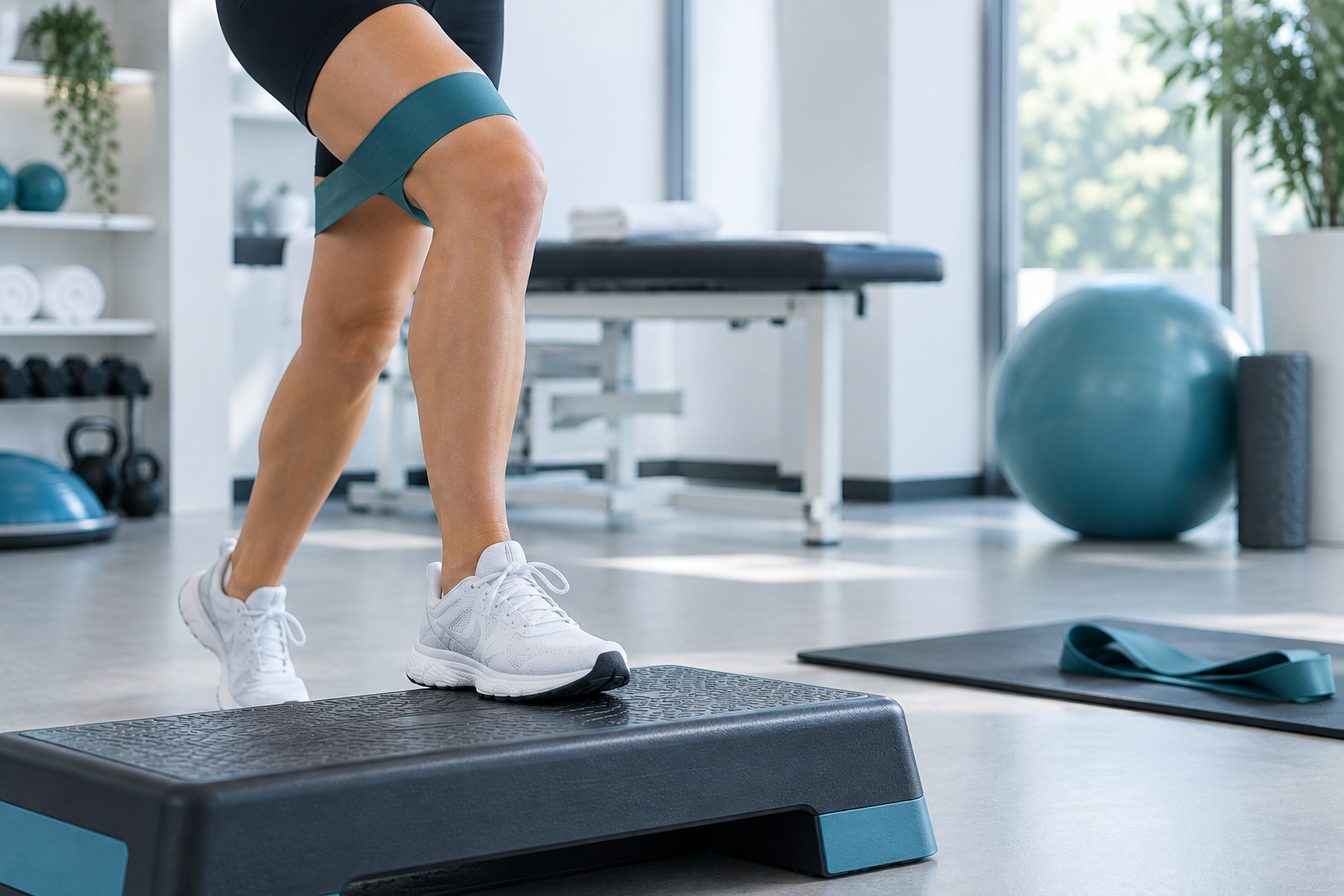
Recovery after knee replacement is gradual. Rehabilitation is important for restoring movement, strength and confidence as you return to everyday activities.
Recovery varies between individuals and depends on factors including general health, pre-operative function and progress with rehabilitation.
Learn more about rehabilitation and aftercare →Not everyone with knee arthritis needs knee replacement surgery. Depending on your symptoms, function and the severity of the condition, non-operative treatments may help manage pain and maintain activity.
Exercise and physiotherapy, activity modification, appropriate pain relief, weight management where relevant and bracing can help some people manage symptoms and maintain function.
For selected patients, injection treatments may be considered as part of non-operative management. Options offered by Mr Bhangoo include steroid, hyaluronic acid, PRP, nSTRIDE and Cingal, depending on individual circumstances.
Not everyone referred to discuss knee replacement will need or choose surgery. Treatment should be based on symptoms, function, examination findings, imaging and personal goals.
Arrange a consultation with Mr Navjot Bhangoo to discuss your knee, your treatment options and whether knee replacement may be appropriate for you.
Book appointment →Knee replacements are designed to provide long-term pain relief and improved function. How long an individual knee replacement lasts varies and can depend on factors including age, activity levels, general health and the type of implant used. Mr Bhangoo can discuss what is appropriate to expect in your individual circumstances.
Recovery is gradual and varies between individuals. Walking and rehabilitation begin early after surgery, while strength, movement and confidence continue to improve over the following weeks and months. Your recovery plan will be tailored to your progress and individual needs.
The timing of returning to driving varies according to the knee operated on, your recovery, the type of vehicle you drive and your ability to control the vehicle safely. You should be able to perform an emergency stop safely and should follow the advice given by your surgical team and insurer before returning to driving.
A total knee replacement replaces the damaged joint surfaces across the knee, while a partial knee replacement replaces only the affected compartment. Partial knee replacement is suitable only for selected patients where arthritis is confined to part of the joint.
Rehabilitation is an important part of recovery following knee replacement. Exercise and physiotherapy can help restore movement, strength and confidence as you return to everyday activities.
Knee replacement may be considered when arthritis causes persistent pain and loss of function that significantly affect everyday life despite appropriate non-operative treatment. The decision is made individually following clinical assessment and review of your imaging.