Cartilage damage

Cartilage damage
A cartilage lesion or defect refers to damage or injury to the cartilage.
Cartilage serves to cushion the joints and allows for smooth movement. When a cartilage lesion occurs, it can disrupt the normal function of the joint, potentially leading to pain, swelling, and decreased mobility, altering pressure joint movement patterns that negatively impact further degenerative changes, typically seen in osteoarthritis.
If you are experiencing pain or stiffness in your knee joint, or have sustained an injury that is persisting, you can arrange an appointment to see Mr. Bhangoo.

Cartilage lesions can be caused by various factors, including:
- Trauma: Acute injuries such as fractures, dislocations, or ligament tears can damage the cartilage.
- Overuse: Repetitive stress or overuse, often seen in athletes or individuals with physically demanding jobs, can lead to cartilage wear and tear.
- Degenerative Conditions: Diseases such as osteoarthritis involve the gradual breakdown of cartilage over time.
- Inflammatory Conditions: Conditions like rheumatoid arthritis can cause inflammation that damages cartilage.
- Genetic Factors: Some individuals may have a genetic predisposition to cartilage damage.
Types of Cartilage Lesions:
- Chondral Lesions: Involve only the cartilage
- Osteochondral Lesions: Involve both the cartilage and the underlying bone.
Early detection and appropriate management of cartilage lesions are crucial to prevent further joint damage and maintain joint function.
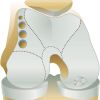
Commonly they occur on the front portion of the top half of the knee joint, called the distal femur, however, cartilage damage and defects can be found in any place around the joint including the tibial plateau (top of the bottom half of the joint) and the patella (knee cap).

Do you have a cartilage lesion?
Symptoms of a Cartilage Lesion:
- Pain in the affected joint, especially during movement or weight-bearing activities.
- Swelling and inflammation around the joint.
- Stiffness and reduced range of motion.
- Joint locking or catching if a fragment of cartilage becomes loose within the joint.
Diagnosis
Diagnosis often involves a combination of physical examinations, imaging studies such as X-rays, MRI, or CT scans, and sometimes arthroscopy (a minimally invasive surgical procedure).
Treatment options with Mr. Bhangoo
Depending on the location, severity, and biology, Mr. Bhangoo will be able to discuss the best options.

Cartilage regeneration