What are degenerative changes?
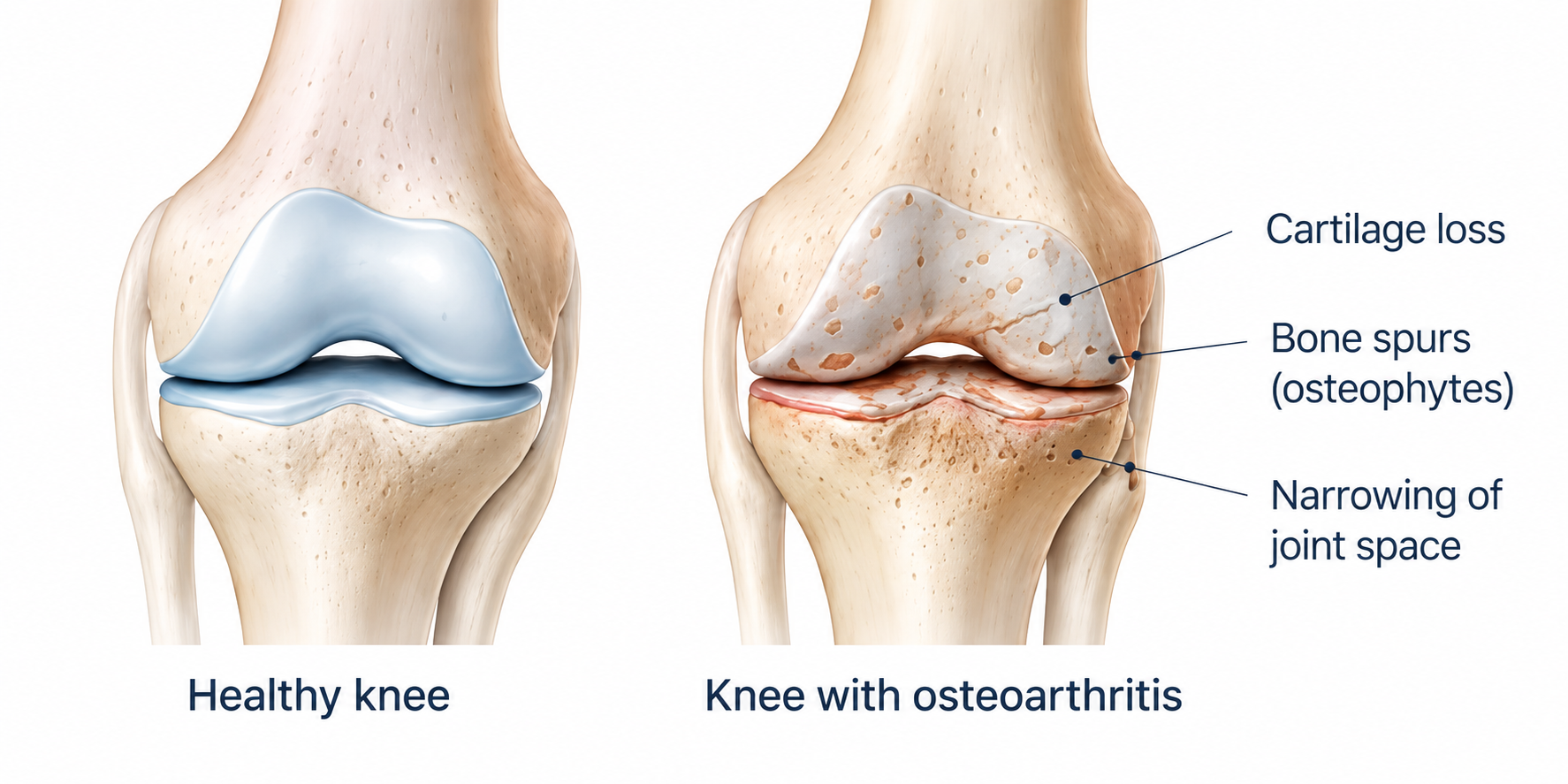
Degenerative changes, commonly referred to as knee osteoarthritis, occur when the cartilage that cushions the knee joint gradually wears down. This can lead to pain, stiffness, swelling and reduced function. It is a common condition, especially with increasing age, but it can also affect younger, active individuals.
At Elite Knee Care, Mr Navjot Bhangoo provides a comprehensive assessment to understand the cause of your symptoms and recommend the most appropriate treatment for you.



Stage 1 – Minor
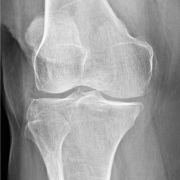
- Minor changes on X-ray
- Joint space usually preserved
- Symptoms may be minimal or absent
Stage 2 – Mild
- Early joint-space narrowing
- Small bone spurs (osteophytes) may be present
- Symptoms may still be mild

Stage 3 – Moderate
- More noticeable joint-space narrowing
- Osteophytes may be more prominent
- Pain, stiffness or reduced function may become more frequent

Stage 4 – Severe
- Significant joint-space narrowing
- More extensive osteophytes and bony changes may be present
- Pain and reduced function may be more persistent
The severity of changes on an X-ray does not always reflect the severity of symptoms. Treatment decisions are based on your individual circumstances, including pain, function, examination findings, imaging and activity goals.
Non-Surgical Options: Knee osteoarthritis treatment with Mr Bhangoo
Treatment is tailored to the individual, with the aim of reducing pain, maintaining function and helping you stay active for as long as possible. Options include conservative management, injection treatments and, when appropriate, surgical options.

Conservative management
Lifestyle and non-surgical treatments can help reduce pain, improve function and manage the symptoms of osteoarthritis.
- Physiotherapy and exercise
- Activity modification
- Appropriate pain relief
- Weight management (where relevant)
- Bracing →

Injection treatments
In selected patients, injections may help reduce pain and improve function as part of an individual treatment plan.

When might surgery be considered?
If pain and loss of function persist despite appropriate non-operative treatment, surgical options such as partial or total knee replacement may be considered.
The most appropriate treatment will depend on your symptoms, examination findings, imaging and activity goals. Mr Bhangoo will discuss the options with you and recommend a personalised treatment plan.
Frequently Asked Questions
Mild degenerative changes usually describe early signs of osteoarthritis on an X-ray or scan, such as slight narrowing of the joint space or small bone spurs. They do not necessarily mean severe symptoms or that surgery is required. The finding should be considered alongside your level of pain, function, examination and activity level.
Degenerative changes often refer to structural changes associated with osteoarthritis, including changes to the cartilage, joint space and surrounding bone. However, the wording used in an X-ray or scan report does not always reflect how painful or limiting the knee feels. Symptoms and clinical examination are equally important when deciding whether treatment is needed.
Not necessarily. If changes are mild and the knee is not causing significant pain or loss of function, specific treatment may not be required. When symptoms are present, management usually begins with measures such as appropriate exercise, strengthening, activity modification and weight management where relevant. Treatment should be guided by symptoms and individual needs rather than the scan report alone.
Yes. Some people have considerable degenerative changes on an X-ray but relatively mild symptoms, while others experience significant pain despite less obvious changes. An X-ray is only one part of the assessment. Symptoms, mobility examination findings should all be considered when planning treatment.
Yes. Many people with knee osteoarthritis can manage their symptoms without surgery. Treatment may include physiotherapy and exercise, activity modification, appropriate pain relief, weight management where relevant, bracing and injection treatments. The most appropriate approach depends on your symptoms, activity levels and the severity of the condition.
There is no single treatment that is best for everyone with knee osteoarthritis. Treatment should be tailored to the individual and may range from exercise, physiotherapy and lifestyle measures to injection treatments or, when symptoms are more advanced and significantly affect quality of life, knee replacement surgery. Mr Bhangoo will consider your symptoms, examination findings, imaging and activity goals when discussing the most appropriate options.
Consider an assessment if knee pain, stiffness or swelling persists for several weeks, affects walking, sleep or everyday activities, or has not improved with appropriate non-surgical treatment. Seek urgent advice through NHS 111 if the knee is extremely painful, you cannot move it or bear weight, it is badly swollen or misshapen, it locks or gives way, or it becomes hot and red with fever.