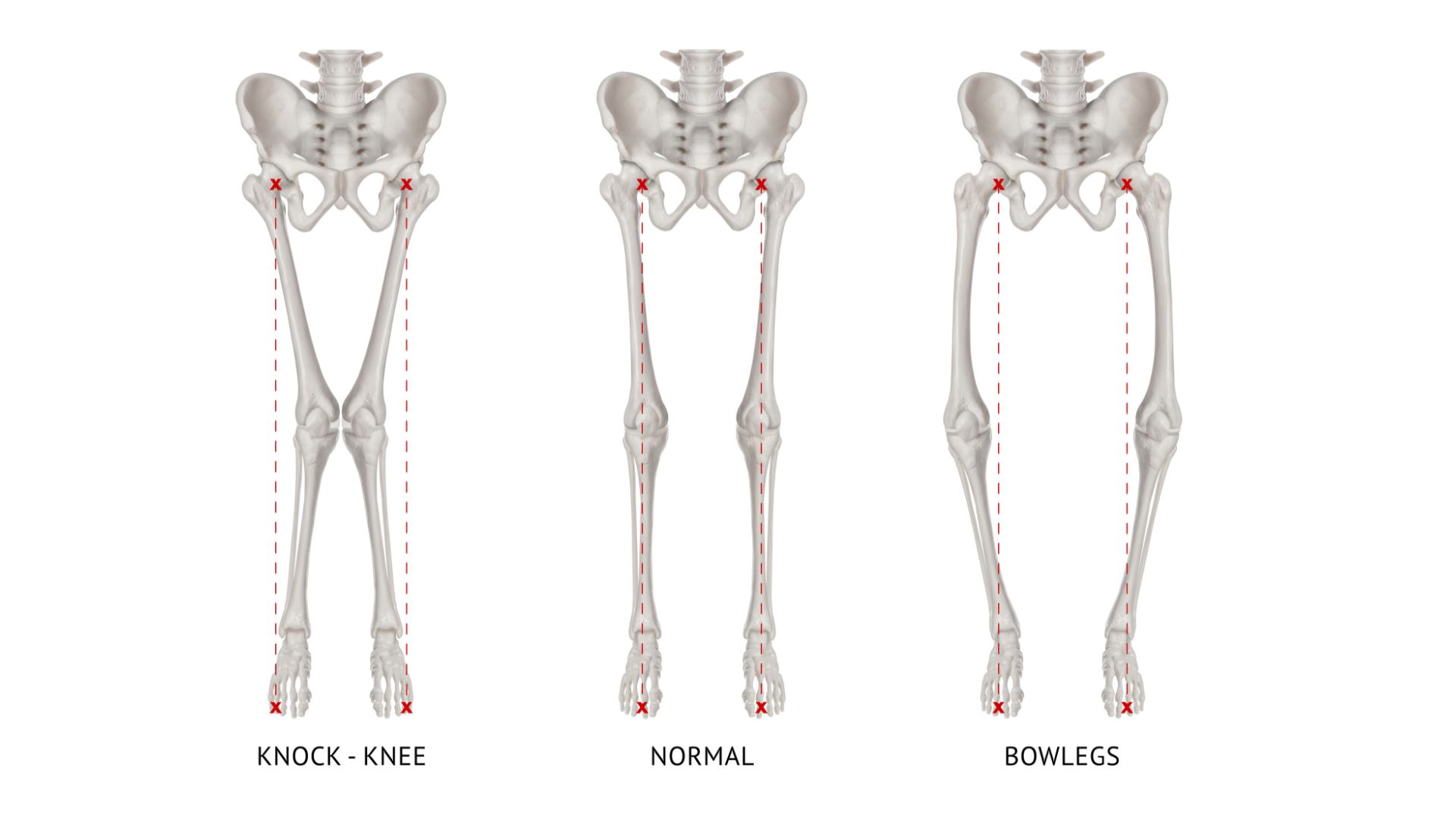
Distal Femoral Osteotomy

A distal femoral osteotomy is a surgical procedure aimed at correcting deformities in the knee alignment, often caused by conditions like osteoarthritis or congenital abnormalities. Distal Femoral means the lower portion of the femur (the thigh bone), just above the knee.

Distal Femoral Osteotomy

A distal femoral osteotomy is a surgical procedure aimed at correcting deformities in the knee alignment, often caused by conditions like osteoarthritis or congenital abnormalities. Distal Femoral means the lower portion of the femur (the thigh bone), just above the knee.

This surgery involves cutting and reshaping the lower end of the femur (thigh bone) to improve alignment and redistribute weight-bearing forces, thereby reducing pain and slowing the progression of joint damage.

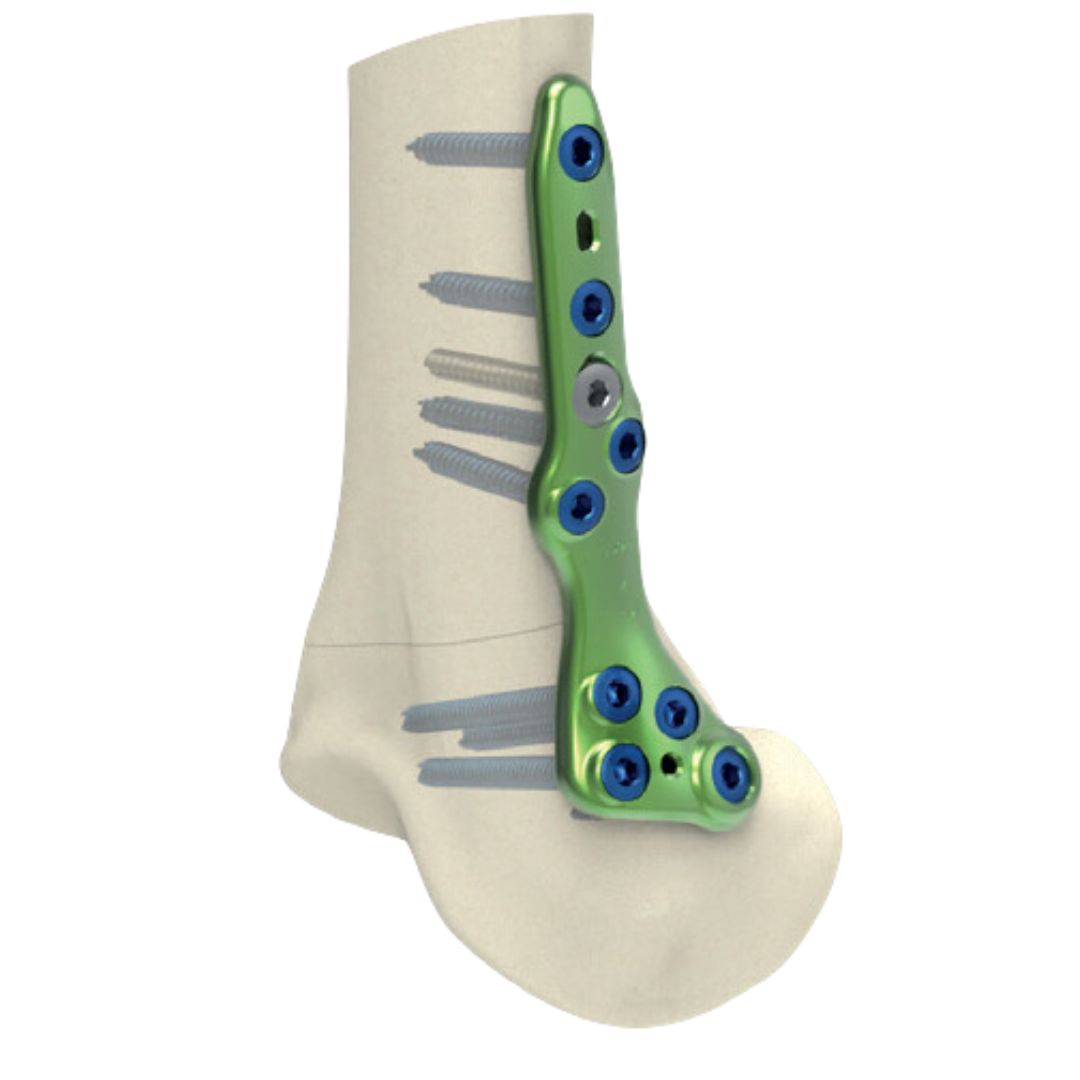
Sophisticated plates and specially adapted screws are used in surgery to hold the newly aligned bone in place until it has healed.  The plate can be removed with a more simple procedure in time.  Depending on the direction or type of re-alignment surgery needed, the bone can be opened as wedge, or as the picture below shows a wedge of bone removed and the gap closed and secured. 
Managing OA progression

Why Consider distal femoral osteotomy?

  • Pain Relief: DFO can significantly reduce knee pain caused by arthritis.
  • Improved Mobility: Realigning the knee joint can enhance your ability to move and perform daily activities.
  • Delay Knee Replacement: This procedure can delay the need for a total knee replacement, making it an excellent option for younger patients.

Who is a Good Candidate for DFO?

  • Age: Typically recommended for patients under 60 years old, but not exclusively. 
  • Activity Level: Best suited for active individuals.
  • Knee Condition: Ideal for those with arthritis limited to one side of the knee.
  • Weight: Generally recommended for patients with a body mass index (BMI) within a certain range.

A joint preservation option

By realignment the joint space, you immediately take pressure away from an area of the joint that has arthritis, which not only reduces the pain but improves the ongoing function of the joint.   By halting the further degeneration and wear, the joint can also repair itself once correct alignment is established. 

The Distal Femoral Osteotomy Procedure

  • Preparation: Detailed imaging studies like X-rays or MRIs to plan the surgery.
  • Anesthesia: Performed under general or regional anaesthesia.
  • Surgery: A cut is made in the upper part of the tibia, and a wedge of bone is either added or removed to realign the knee. The bone is then secured with plates and screws.
  • Incision: The incision is closed with stitches or staples, and a bandage is applied.

Although the plating system Mr. Bhangoo uses is a state-of-the-art system that is very low profile, it is common to eventually have the plate removed which is a minor procedure, carried out once the bone is completely healed. 

Recovery and Rehabilitation

  • Hospital Stay: Usually requires a 1-2 day hospital stay.
  • Initial Recovery: You may need crutches and a knee brace for several weeks.
  • Physical Therapy: A structured rehabilitation program is crucial for restoring strength and mobility.
  • Full Recovery: Typically takes 6-12 months to return to full activity.

Risks and Complications

  • Infection: As with any surgery, there is a risk of infection.
  • Blood Clots: There is a risk of blood clots forming in the legs.
  • Nerve or Blood Vessel Damage: Rare but possible complications.
  • Nonunion: The bone may not heal properly, requiring additional treatment.

Find out more about the importance and techniques for leg alignment.