
High Tibial Osteotomy
High tibial osteotomy (HTO) is a joint-preserving surgical procedure used to treat knee arthritis, particularly in younger, active patients where the arthritis predominantly affects one side of the knee. By carefully realigning the tibia (shinbone), the procedure shifts the weight-bearing load away from the damaged part of the knee, helping to reduce pain, improve function and potentially delay the need for knee replacement surgery.
High Tibia Osteotomy

High tibial osteotomy is a surgical procedure used to treat knee arthritis, particularly in younger, active patients. This realignment surgery helps to shift the weight-bearing load away from the damaged area of the knee, reducing pain and improving function.
What is High Tibial Osteotomy (HTO) Surgery?
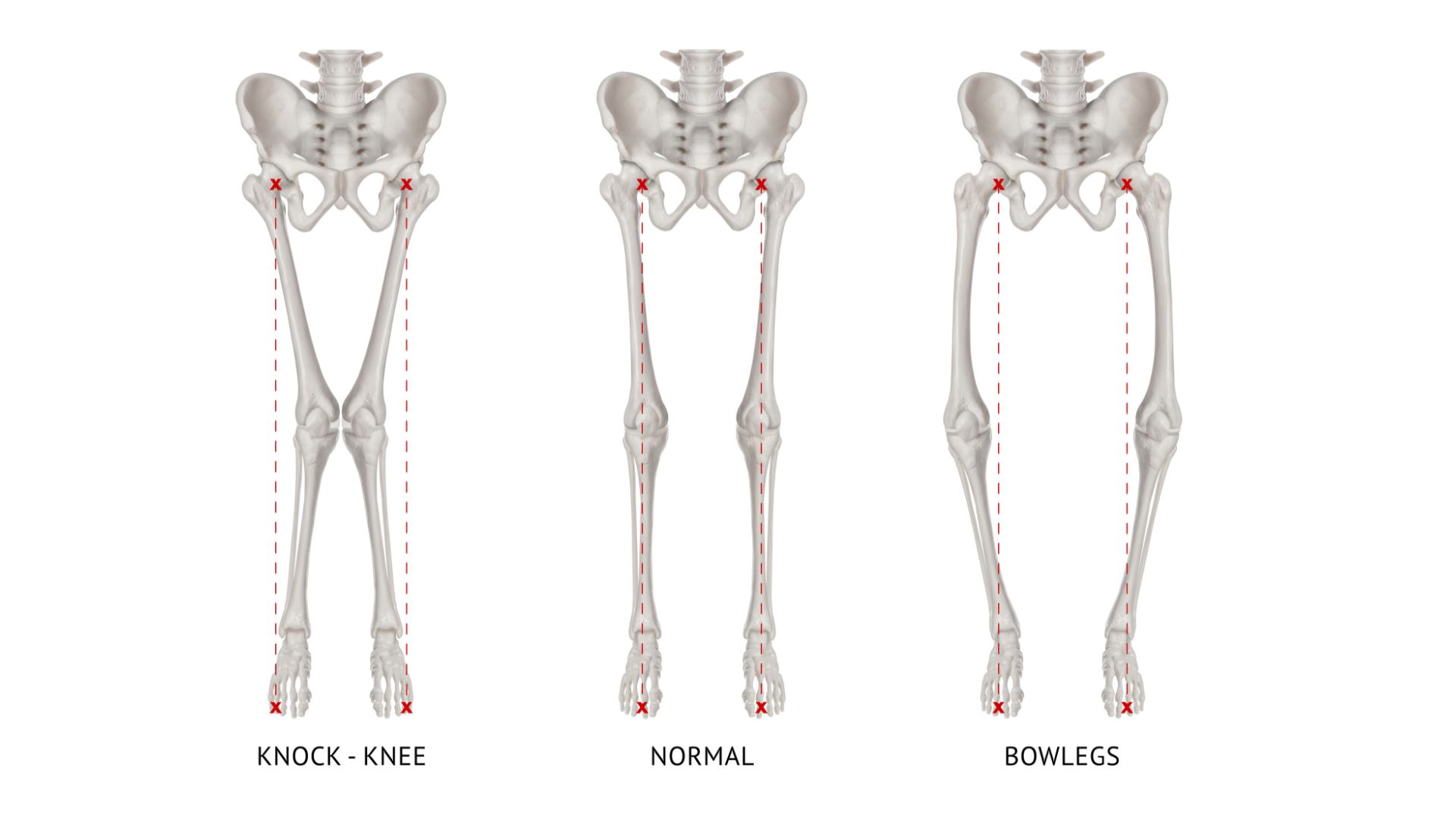
A high tibial osteotomy (HTO) is a knee realignment procedure designed to reduce pain and improve function in patients with arthritis affecting one side of the knee. During surgery, the upper part of the tibia (shinbone) is carefully realigned to redistribute the forces passing through the knee. This shifts load away from the damaged area towards the healthier part of the joint, helping to preserve the natural knee for longer.

Benefits of High Tibial Osteotomy for Knee Arthritis
Why Consider High Tibial Osteotomy?
- Pain Relief: By shifting load away from the arthritic part of the knee, HTO can help reduce pain during everyday and sporting activities.
- Improved Function: Realigning the knee can improve how forces pass through the joint, helping suitable patients maintain mobility and everyday function.
- Preserve the Natural Knee: HTO aims to preserve the patient’s own knee joint and may delay the need for partial or total knee replacement, particularly in younger, active patients.
Who is a Good Candidate for HTO?
- Age: HTO is often considered for younger, active patients, although suitability depends on several individual factors rather than age alone.
- Activity Level: Particularly suited to active patients who wish to maintain an active lifestyle while preserving their natural knee.
- Knee Condition: Most suitable when arthritis predominantly affects one side of the knee and the remaining joint is relatively well preserved.
- Weight: Suitability is assessed individually, taking into account factors such as weight, general health, activity level and condition of the knee.
A Joint Preservation Option
High tibial osteotomy is considered a joint-preserving knee surgery because it aims to treat pain while keeping your natural knee joint rather than replacing it. By correcting the alignment of the leg, pressure is reduced on the worn part of the knee, which can help slow further degeneration, improve function and relieve pain. For suitable patients, HTO can provide many years of improved knee function before a knee replacement may become necessary.
The High Tibial Osteotomy Procedure
- Preparation: Detailed imaging studies like X-rays or MRIs to plan the surgery.
- Anesthesia: Performed under general or regional anaesthesia.
- Surgery: A cut is made in the upper part of the tibia, and a wedge of bone is either added or removed to realign the knee. The bone is then secured with plates and screws.
- Incision: The incision is closed with stitches or staples, and a bandage is applied.
Mr Bhangoo uses a modern low-profile plating system designed to provide stable fixation while the bone heals. In some patients, the plate may be removed once the bone has completely healed through a much smaller procedure.
Recovery and Rehabilitation
- Hospital Stay: Most patients typically stay in hospital for 1-2 days following HTO surgery, although this can vary depending on individual recovery and clinical needs.
- Initial Recovery: Crutches are typically required during the early stages of recovery and a knee brace may also be recommended depending on the individual patient and surgical technique.
- Physiotherapy: A structured rehabilitation programme is crucial for restoring mobility, strength and function following HTO surgery. Mr Bhangoo works closely with specialist physiotherapists, including the team at Balance Health in Nottingham, to support patients through rehabilitation and their return to activity.
- Return to Activities: Most patients can return to normal activities within 3-6 months, although high-impact activities may take longer.
- Full Recovery: Recovery varies between patients, but returning to unrestricted activity following HTO surgery can typically take 6-12 months, with progression guided by bone healing, strength and individual rehabilitation goals.
Risks and Complications
- Infection: As with any surgical procedure, there is a small risk of infection, which will be discussed as part of the consent process before surgery.
- Blood Clots: There is a small risk of developing a blood clot following surgery, and appropriate measures are taken to reduce this risk.
- Nerve or Blood Vessel Damage: Injury to a nerve or blood vessel is uncommon but is a recognised potential complication of HTO surgery.
- Nonunion: Occaisionally, the bone may take longer than expected to heal or may not heal fully, which can require further treatment or additional surgery.
