Cartilage Grafting Techniques
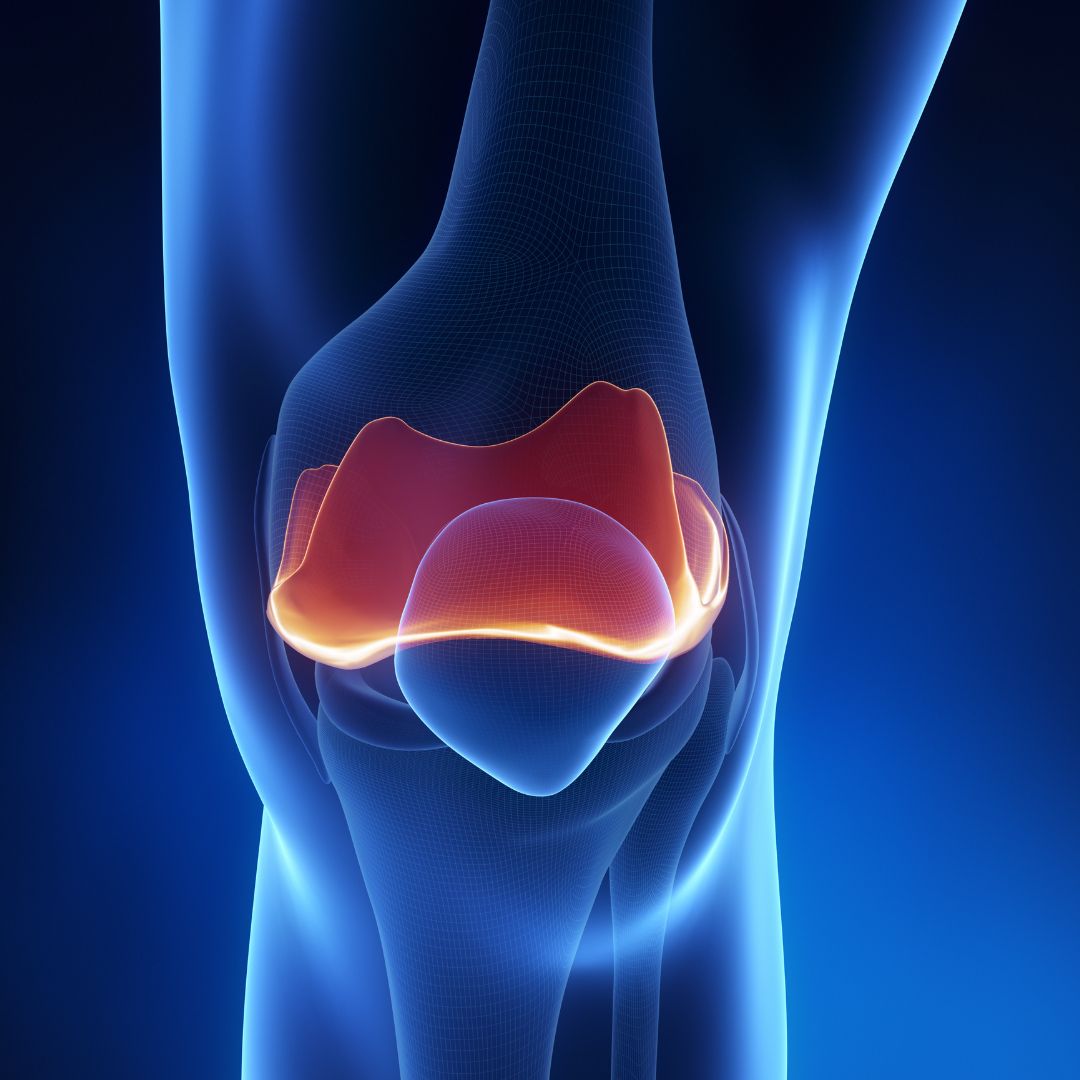
Articular cartilage covers the ends of the bones in the knee, allowing the joint to move smoothly and absorb load. It can be damaged through injury or wear, sometimes causing pain, swelling, catching or reduced movement. Because cartilage has a limited ability to heal naturally, some focal defects may benefit from procedures that reattach a loose fragment or transfer healthy bone and cartilage to the damaged area. Mr Bhangoo will assess the location and extent of the damage before discussing whether cartilage grafting is appropriate.
Repairing and Regenerating Damaged Cartilage
Cartilage damage varies considerably, so treatment must be tailored to the individual knee. The most suitable option depends on the size, depth and location of the defect, whether the underlying bone is affected, and factors such as age, activity level, limb alignment and the condition of the meniscus and ligaments.
Cartilage grafting aims to restore a smoother joint surface by transferring healthy bone and cartilage or securing a repairable fragment back into position. Mr Bhangoo will review the examination findings and scans with you, explain the available procedures and discuss whether grafting or another cartilage treatment is the most appropriate option.
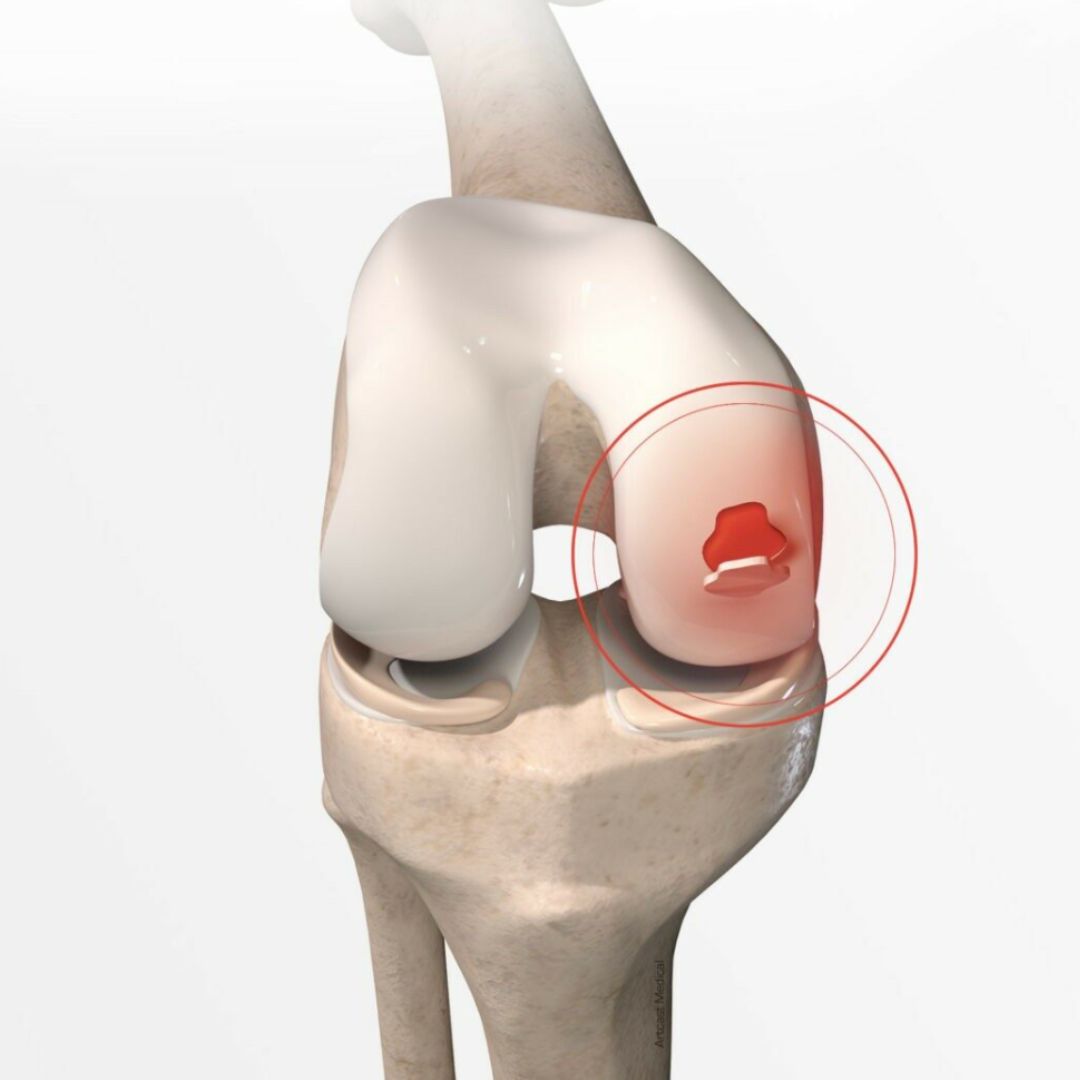
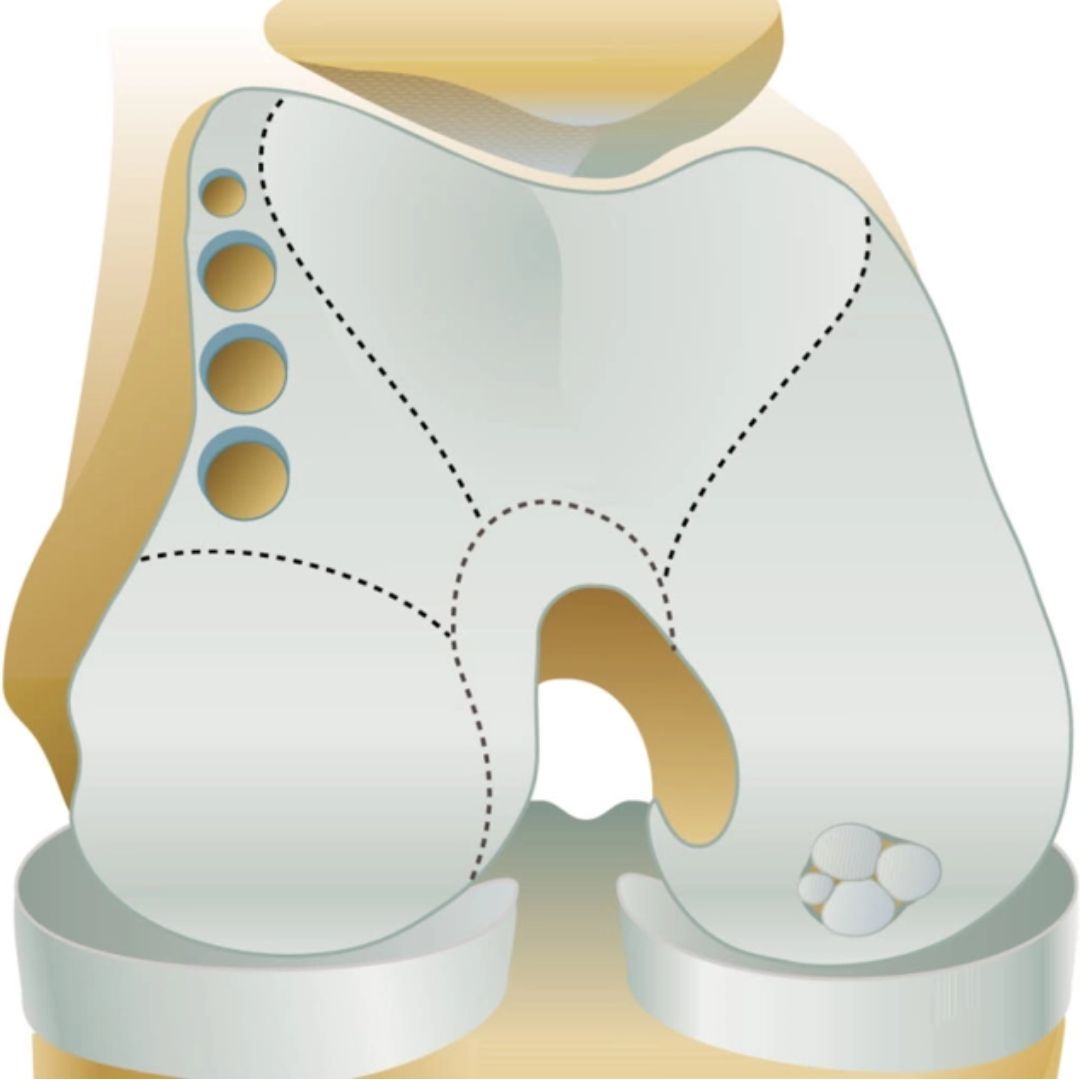
Osteochondral autologous transplantation, often called OATS or mosaicplasty, is a single-stage procedure used for selected focal areas of cartilage damage. Small cylindrical plugs containing healthy cartilage and underlying bone are taken from a lower-load area of the patient’s knee and transferred into the damaged area.
The technique provides the defect with the patient’s own mature cartilage and supporting bone. It is generally considered for localised defects rather than widespread arthritis. Suitability depends on factors including the size and position of the defect, symptoms, activity level, knee alignment and the overall condition of the joint.
Recovery usually involves a period of protected weight-bearing followed by a structured physiotherapy programme. The exact rehabilitation plan and time required to return to work, driving and sport will vary according to the procedure and the individual patient.