
Enhanced Cartilage Repair

Cartilage is the smooth surface of the joint that covers the ends of the bone.  It allows for low friction movement, cushioning the joint as a shock absorber.  As we age, cartilage naturally thins and can be more susceptible to damage, although this can happen age through trauma and injury.

Repairing and Regenerating Damaged Cartilage

Cartilage can be especially difficult to heal and repair by itself.  Patient biology counts for a lot and in a young healthy person, often some tears and defects will regenerate from surrounding cells in the joint. However, often the cartilage needs a helping hand to heal. Mr Bhangoo is experienced in enhanced repair and regenerative techniques. He utilises the AMIC technique for many patients, which stands for Autologous Matrix Induced Chondrogensis – which means using the body’s own cells with a matrix or scaffold that is implanted to help the cells to their job and repair the damaged area. 
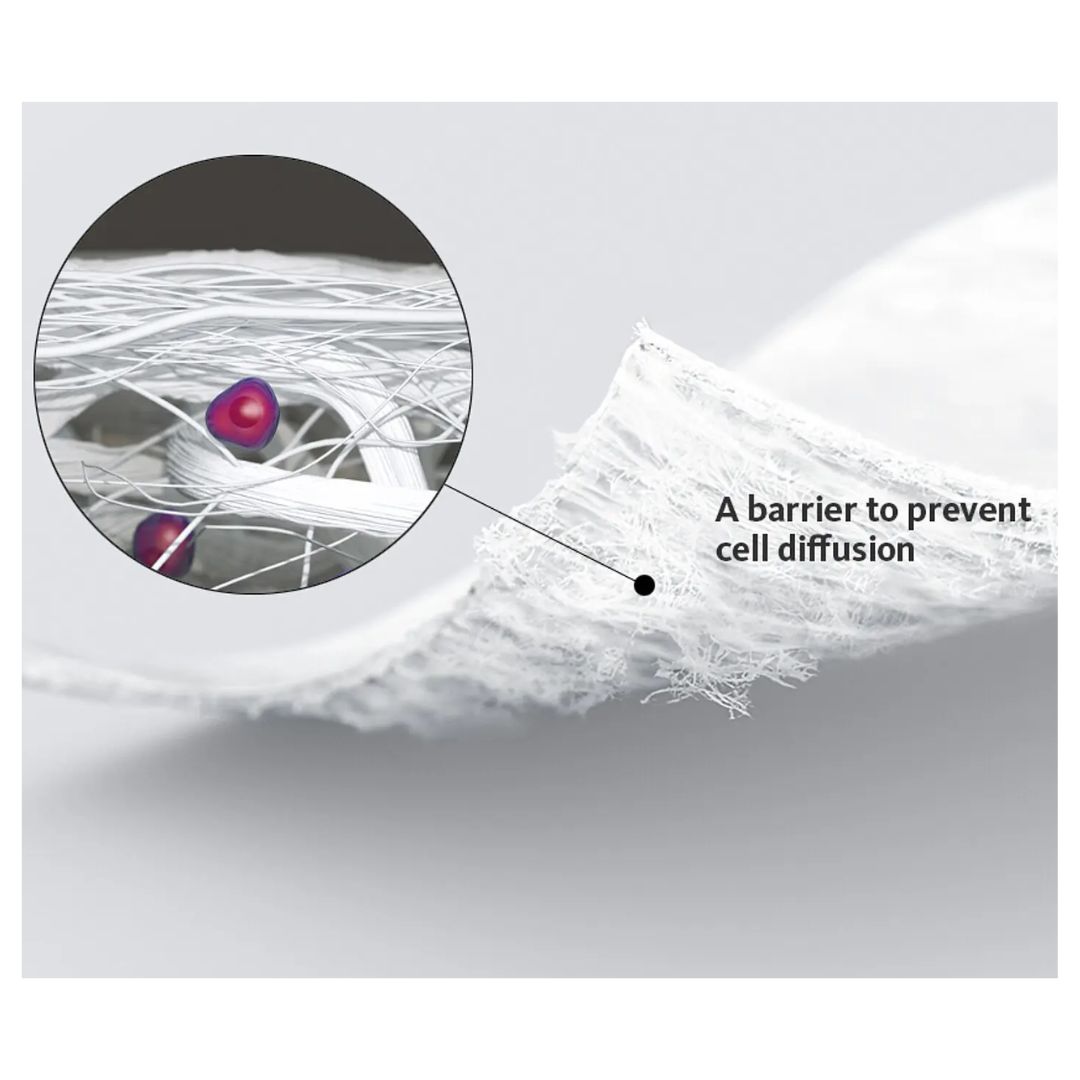
Enhanced repair with AMIC

This technique uses a special collagen scaffold implant called Chondro-Gide®. This can be used to repair defects of all sizes in the knee joint. 

This procedure, carried out through a ‘mini’ incision is truly a joint preserving technique that causes minimal disruption to the joint during the 1 stage surgery. 

Chondro-Gide is the leading option world wide for this type of procedure.  It works by creating the perfect environment over the damaged section of cartilage for cells to proliferate and grow into new cartilage.  This allows for safer rehab and a new cartilage that is very close to the original for quality and thickness. 

By creating small holes in the bone at the damaged area of cartilage, or by taking bone marrow cells from elsewhere in the body, ChondroGide holds onto these cells. Surgical glue is used to secure ChondroGide in place, over time the mix of collogen from the chondroGide and the cells begin to form new cartilage. 

You can read more about this technique in the patient brochure. 

    Cartilage damage

    Cartilage damage can but is equally common in younger people through sports injury and trauma. 

    Here are some common ways cartilage damage can occur and certain things to be aware of:

    • Traumatic Injury: Sudden impacts or accidents, such as falls, car accidents, or sports injuries.
    • Repetitive Stress: Overuse from activities like running, jumping, or heavy lifting.
    • Degenerative Conditions: Osteoarthritis, which wears down cartilage over time.
    • Inflammatory Conditions: Diseases such as rheumatoid arthritis or gout.
    • Improper Alignment: Conditions like knock knees or bow legs that put uneven pressure on the knee joint.
    • Obesity: Excess weight increases stress on the knee joints.
    • Lack of Exercise: Poor muscle support around the knee due to inactivity.
    • Inadequate Warm-Up: Engaging in physical activities without proper warm-up exercises.
    • Previous Knee Surgery: Surgical procedures can sometimes lead to cartilage damage or degeneration over time.

    If you are experiences knee pain or think you may have cartilage damage, contact Mr Bhangoo. 

    Find out more about cartilage damage and other options to Mr Bhangoo can offer to treat it