
Meniscus repair
Repairing the damaged meniscus is always the goal, as joint preservation specialist Mr Bhangoo will assess the best option depending on the type of injury and any other pathologies present.
Meniscus repair

Repairing the damaged meniscus is always the goal, as joint preservation specialist Mr Bhangoo will assess the best option depending on the type of injury and any other pathologies present.
How to repair a meniscus…
Meniscus repair is a minimally invasive surgical procedure where small incisions are made around the knee, and a tiny camera called an arthroscope is used with specialised instruments and suture materials to stitch the torn meniscus back together. This approach preserves as much of the natural meniscus as possible, promoting healing and helping to restore normal knee function.
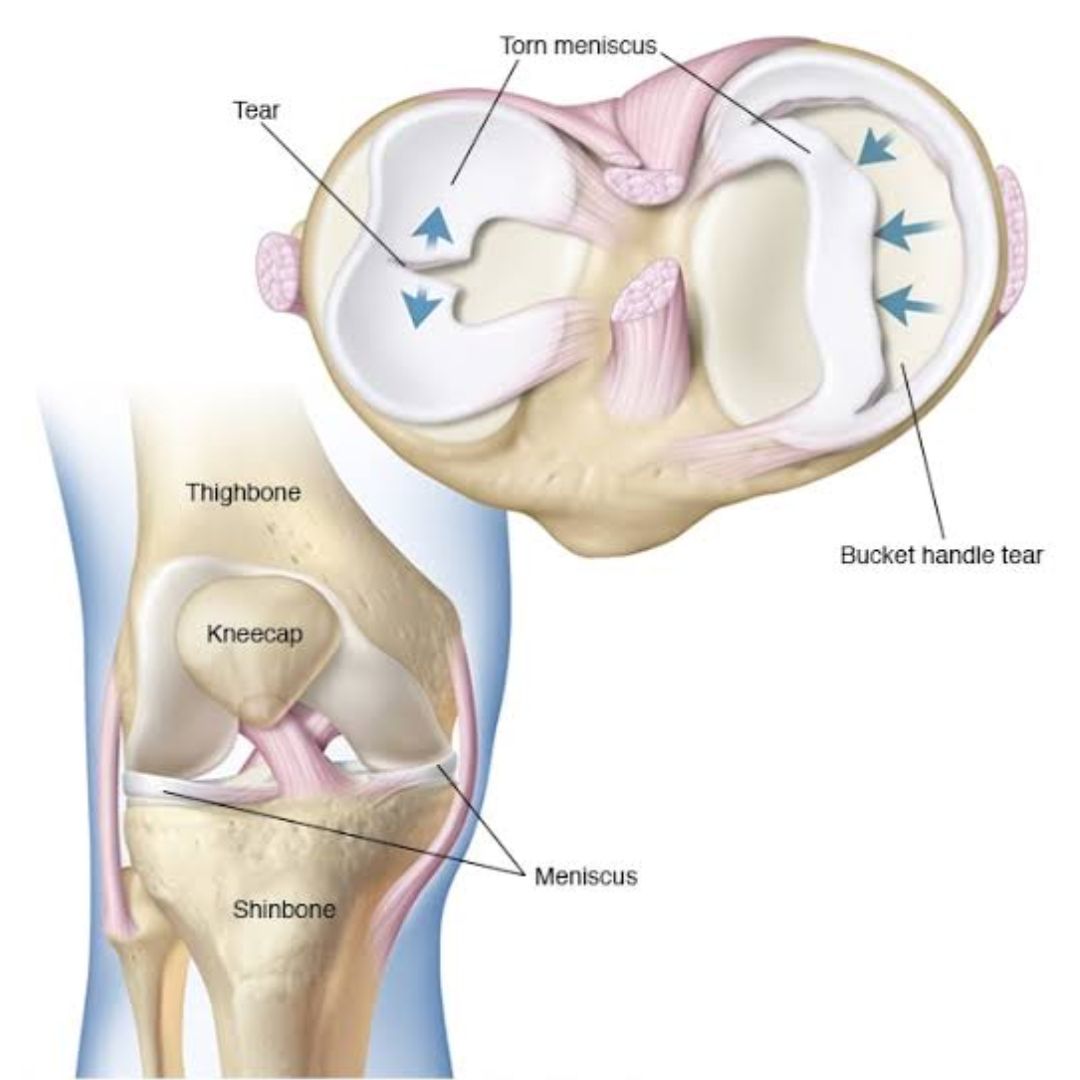
Meniscus repair overview
Purpose: To stitch the torn meniscus back together, preserving as much of the natural tissue as possible.
Procedure Type: Minimally invasive, usually performed arthroscopically.
Incisions: Small incisions are made around the knee.
Tools Used: A tiny camera (arthroscope) and specialised surgical instruments.
Healing: Promotes natural healing of the meniscus.
Recovery: May involve a period of limited weight-bearing and physical therapy to restore strength and mobility.
Benefits: Preserves the meniscus, which can help prevent future joint problems and maintain knee function.
Success Rate: Higher in younger patients and those with tears in the outer, vascular part of the meniscus.
Faq’s about meniscus repair surgery
- Immediate Post-Surgery: You might have some pain and swelling, which can be managed with medications and ice. Keeping your leg elevated can also help.
- Limited Weight-Bearing: Initially, you may need to use crutches to avoid putting weight on your knee.
- Physical Therapy: A rehabilitation program will be designed to help restore your knee’s strength, flexibility, and range of motion.
- Full Recovery: It can take several months to fully recover, depending on the extent of the repair and your overall health.
- Infection: There is a slight risk of infection at the incision sites.
- Blood Clots: Rarely, blood clots can form in the leg veins.
- Re-Tear: There is a possibility that the meniscus could re-tear, particularly if you return to high-impact activities too soon.
- Knee Stiffness: Some patients may experience stiffness or limited range of motion, which physical therapy can help improve.
Most patients experience significant pain relief and improved knee function. The success rate is higher in younger patients and those with tears in the outer, vascular part of the meniscus where blood supply is better, promoting healing.
Good candidates typically include those who:
- Have a tear in the outer edge of the meniscus where blood supply is sufficient for healing.
- Are experiencing symptoms like pain, swelling, or knee instability.
- Are active and wish to return to sports or other physical activities.
- Medical Evaluation: Your doctor will perform a thorough evaluation, including imaging studies like MRI, to confirm the diagnosis and plan the surgery.
- Preoperative Instructions: Follow your doctor’s instructions regarding medications, eating, and drinking before the procedure.
- Arrange Assistance: Plan to have someone drive you home after the surgery and help you during the initial recovery period.
- Meniscus Repair: Involves stitching the tear back together, aiming to preserve the meniscus.
- Meniscectomy: Involves removing the torn part of the meniscus, which may be necessary if the tear cannot be repaired. See more about meniscectomy
