Meniscectomy
Mr Bhangoo strongly focusses on joint preservation techniques, meaning he seeks to solve your knee issues by repair and regeneration where possible. A meniscectomy is a surgical procedure that removes the damaged meniscus and improves overall joint function.
Meniscectomy

Mr Bhangoo strongly focusses on joint preservation techniques, meaning he seeks to solve your knee issues by repair and regeneration where possible. A meniscectomy is a surgical procedure that removes the damaged meniscus and improves overall joint function.
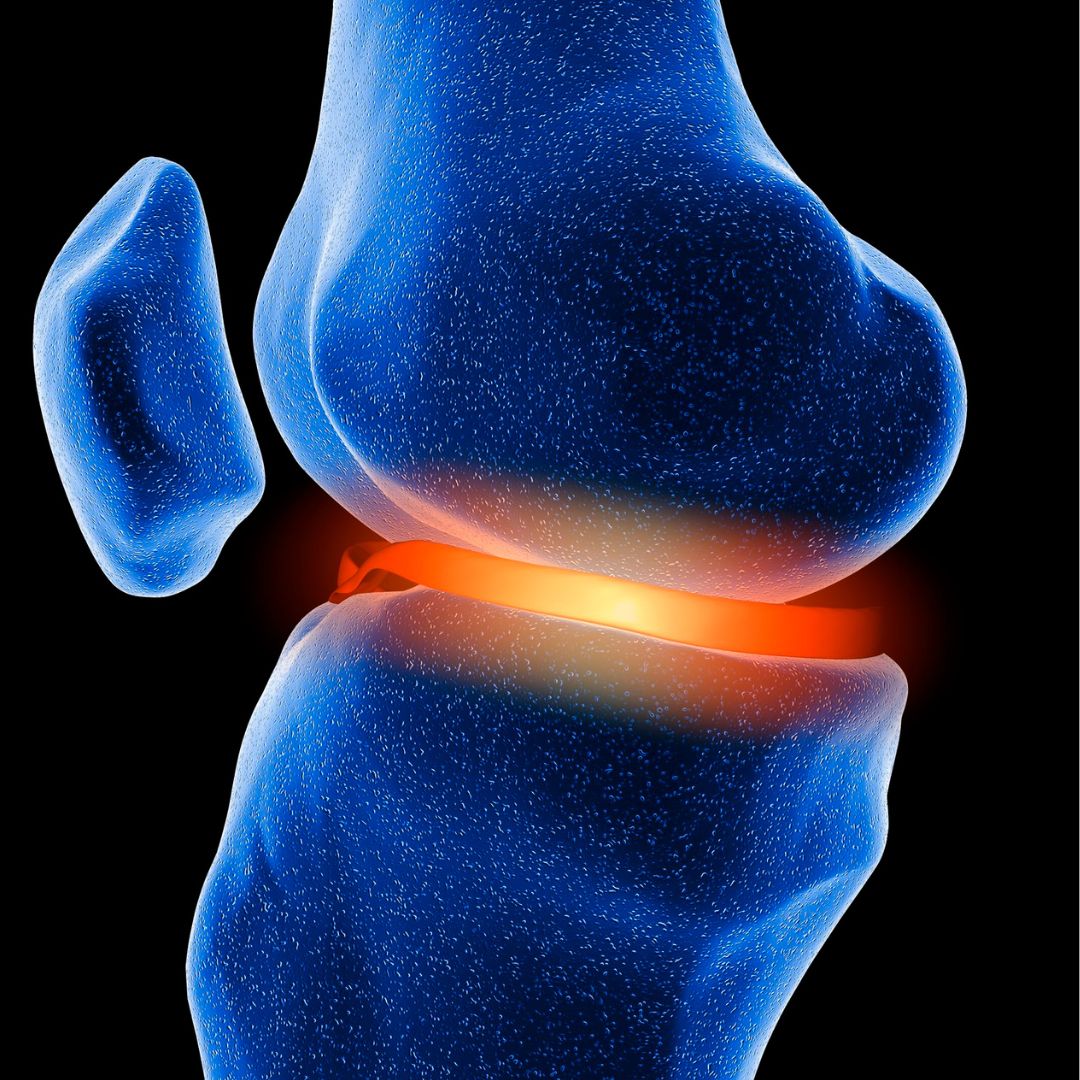
The damaged meniscus
A torn meniscus may not heal on its own as there is a limited blood supply to that area.
Your meniscus is a layer of cartilage in your knee joint that acts like a shock absorber between the bones in your upper and lower knee. It allows your knee joint to move smoothly and helps keep it stable.
A torn meniscus may not heal on its own as there is a limited blood supply to that area. Symptoms may include:
- Pain
- Swelling
- Limited knee function
If conservative treatment for your meniscus tear is not successful, a meniscectomy may be the best option. Mr Bhangoo will only remove damaged meniscus that can not be repaired and that wont cause any further damage to the joint.
What happens during a meniscectomy?
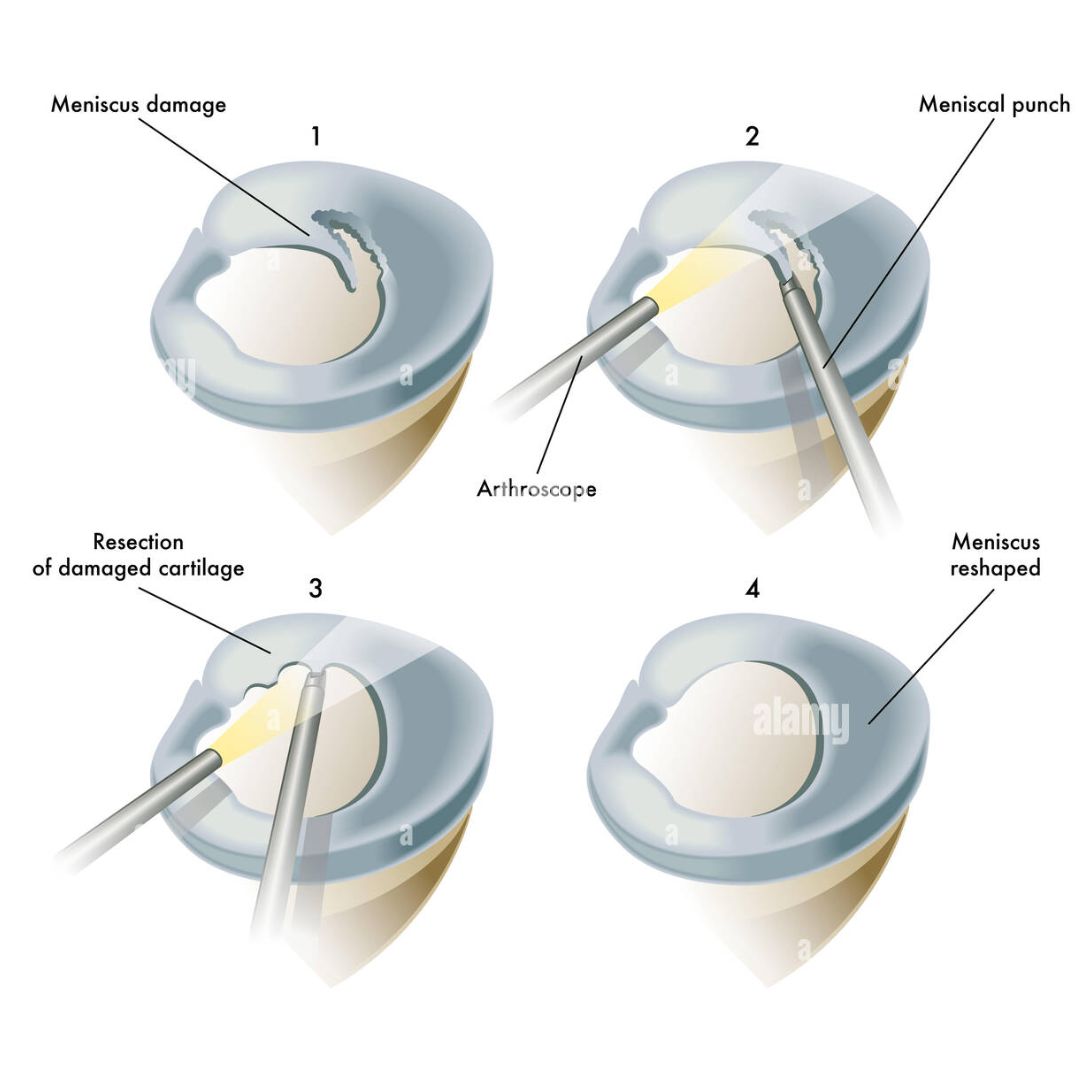
A meniscectomy is usually performed arthroscopically under general or local anaesthetic. Mr Bhangoo will make small incisions (cuts) in your knee and access the meniscus using special surgical tools and a tiny camera. He will assess any damage, and if not repairable resections will be performed to smooth the curve of the meniscus again.
A meniscectomy is usually performed as a day case, meaning you can go home the day of your operation. You will not be able to drive so please arrange for someone to take you home when you are discharged.
Other faq’s about meniscectomy
- Immediate Post-Surgery: You may experience some pain and swelling, which can be managed with medications and ice. You’ll likely be advised to keep your leg elevated and avoid putting weight on your knee initially.
- Physical Therapy: Rehabilitation exercises will be prescribed to restore knee strength, flexibility, and range of motion.
- Return to Activities: Recovery time varies, but many patients can resume normal activities within a few weeks to a few months, depending on the extent of the surgery and their overall health.
While a meniscectomy is generally safe, potential risks and complications include:
- Infection: There is a slight risk of infection at the incision sites.
- Blood Clots: Rarely, blood clots can form in the leg veins.
- Knee Stiffness or Weakness: Some patients may experience ongoing knee stiffness or weakness, which can usually be improved with physical therapy.
- Osteoarthritis: Removing part or all of the meniscus can increase the risk of developing osteoarthritis in the knee over time.
Most patients experience significant pain relief and improved knee function following a meniscectomy. However, the success of the surgery can depend on factors such as the extent of the meniscus damage, the presence of other knee injuries, and the patient’s adherence to postoperative rehabilitation.
Good candidates for a meniscectomy are typically those with:
- Persistent knee pain and swelling despite conservative treatment.
- Mechanical symptoms like locking or catching of the knee.
- A meniscus tear that cannot be repaired.
- Medical Evaluation: Your doctor will perform a thorough evaluation, including imaging studies like MRI, to confirm the diagnosis and plan the surgery.
- Preoperative Instructions: You may be advised to stop certain medications and follow specific preoperative instructions regarding eating and drinking.
- Arrange for Assistance: Plan to have someone drive you home after the procedure and assist you during the initial recovery period.
Some meniscus tears, particularly those located in the outer edge of the meniscus, have the potential to heal on their own or with conservative treatments. Your doctor will evaluate the type and location of your tear to determine the best treatment approach.
