
Platelet Rich Plasma
PRP injections aim to promote the repair of cartilage and to alleviate joint aches, pains, and osteoarthritic symptoms, potentially delaying the need for joint replacement and also improving function and healing
Platelet Rich Plasma

PRP injections aim to promote the repair of cartilage and to alleviate joint aches, pains, and osteoarthritic symptoms, potentially delaying the need for joint replacement and also improving function and healing
What is PRP?
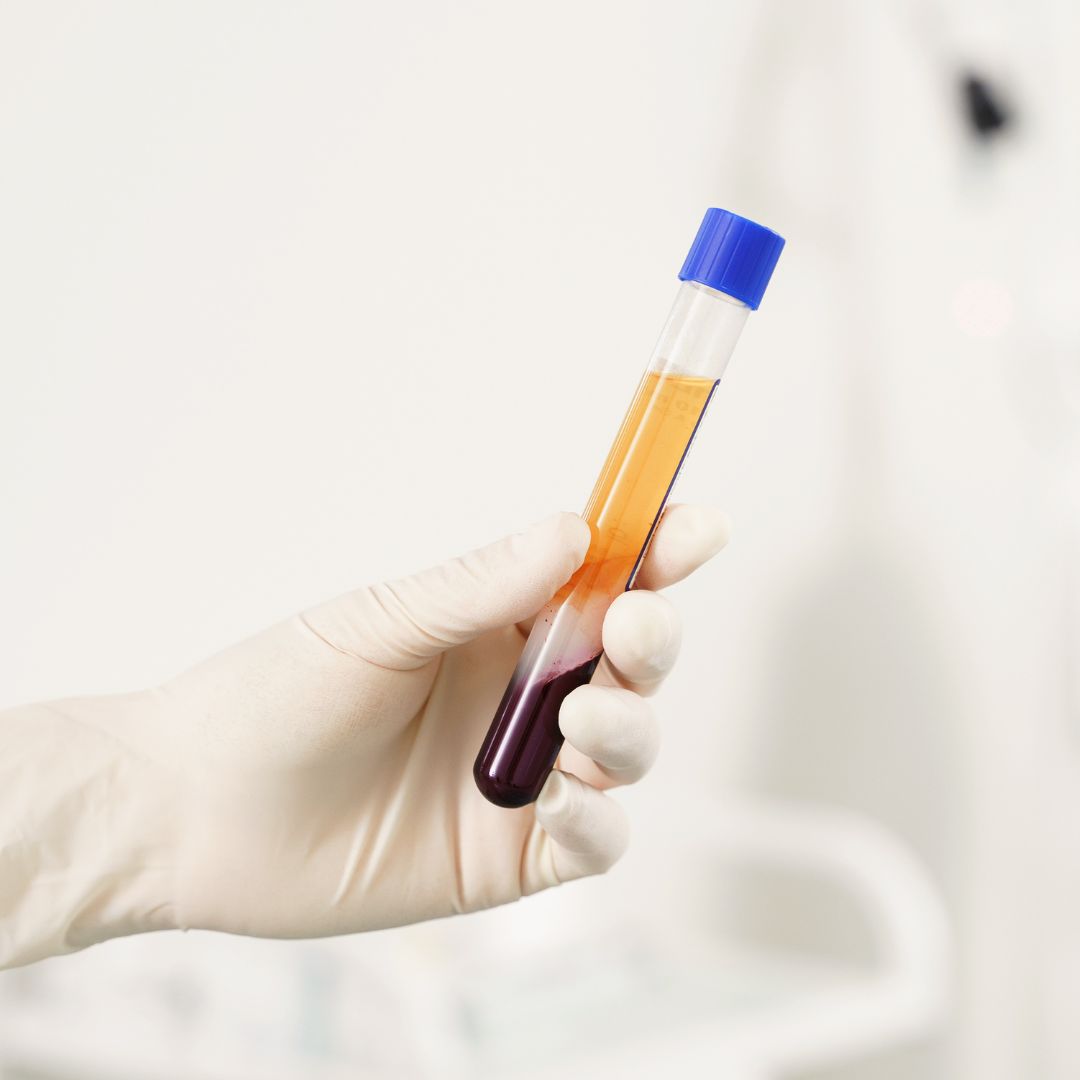
Platelet-rich plasma (PRP) involves using your own blood to help heal and reduce pain in your joints. In this procedure, a small amount of your blood is drawn and then processed to concentrate the platelets, which are cells that help with healing. This concentrated PRP is then injected into your joint. The growth factors in the platelets can help reduce inflammation and promote tissue repair, potentially improving knee function and reducing pain. PRP is considered a safe option because it uses your own blood, minimizing the risk of allergic reactions or infections.
PRP, supporting your knee arthritis
Platelet-rich plasma (PRP) injections may be used to help treat certain conditions that affect the knee joint. The growth factors in PRP can stimulate tissue healing and may help to reduce inflammation, which can in turn help to alleviate pain and improve function and mobility.
PRP injections may be used to treat a variety of conditions that affect the knee, including:
- Knee osteoarthritis: PRP injections may help to reduce pain and improve function in people with knee osteoarthritis.
- Patellar / Quads Tendinitis: PRP injections may be used to treat tendinitis, which is degenerative change in the tendon
- Ligament sprains: PRP injections may be used to help accelerate the healing process in people who have sprained a ligament in their knee.
- Muscle strains: PRP injections may be used to help speed up recovery in people who have strained a muscle in their knee.
It’s important to note that PRP injections are not a cure-all and may not be effective for everyone. The effectiveness of PRP injections can vary and it may take several treatments to see a significant improvement.
What does the data say?
Excitingly, high quality research and evidence is continuing to grow at a fast rate to support the use of platelet-rich plasma (PRP) injection treatment. Most of the research trials so far have looked at the use of PRP injections in knee osteoarthritis and chronic tendinitis, with the majority of studies identifying favourable outcomes for PRP treatment for pain reduction and improved function compared with control groups and alternative treatments
To date there has been no reports of any significant adverse side effects of PRP treatment. In the 14 studies considered by NICE a total of 1423 patients were included – no patients experienced any side effects apart from some minor post-injection discomfort.
